
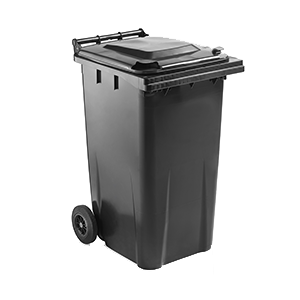
What Size Oil Tank do I need for my Home?
What Size Oil Tank Do I Need for My Home?
Choosing the right oil tank size is one of the most important decisions when replacing or installing a home heating oil tank. If the tank is too small, you may find yourself ordering refills too often, especially during winter. If it is too large, you may spend more than necessary on the tank, the base, installation and stored fuel.
For most UK homes, the right domestic oil tank size usually depends on your annual heating oil usage, property size, available space, delivery access and whether your site requires a bunded oil tank. The aim is to choose a tank that gives you enough capacity for reliable heating without overbuying or creating unnecessary siting issues.
In this guide, we explain how to estimate the right oil tank capacity for your home, compare common heating oil tank sizes, and understand why bunded tanks are often the safest and most practical choice.
Quick Answer: What Size Oil Tank Does a House Need?
Most domestic oil tanks in the UK fall between 1,000 litres and 2,500 litres.
As a simple guide:
A 1,000 litre oil tank may suit smaller homes, cottages or properties with lower heating demand.
A 1,200 to 1,500 litre oil tank is often suitable for many average-sized homes that use oil for heating and hot water.
A 1,800 to 2,500 litre oil tank may be better for larger homes, rural properties, higher usage households or homeowners who want fewer deliveries throughout the year.
The best size is not always the biggest tank you can fit. It should match your realistic fuel usage, your available space, your delivery routine and current oil storage requirements.
Why Oil Tank Size Matters
Your oil tank size affects more than just how much fuel you can store. It can also influence delivery frequency, winter reliability, installation cost, servicing access and how efficiently you manage your heating oil supply.
A correctly sized home heating oil tank can help you:
Reduce the risk of running low during cold weather
Plan deliveries more easily
Avoid emergency top-ups
Make better use of available outdoor space
Store oil safely and responsibly
Choose a tank that suits your property long term
A tank that is too small may mean more frequent deliveries and less room for error during busy winter periods. A tank that is too large may take up more space than needed and tie up extra money in unused capacity.
Key Factors That Affect Domestic Oil Tank Size
1. Your Annual Heating Oil Usage
The best starting point is your previous oil usage. If you already live in the property, look at your delivery invoices from the past 12 months and add up the total litres ordered.
This gives you the clearest picture of your household’s actual heating oil demand.
If you are moving into a property or replacing an old tank without clear usage records, your installer or oil supplier may be able to help estimate usage based on the size of the home, heating system and number of occupants.
As a broad rule, many UK homes using oil central heating will need a domestic oil tank somewhere between 1,000 and 2,500 litres, but your own usage can vary significantly.
2. Property Size and Heating Demand
A small, well-insulated home will usually need less heating oil than a large detached property with older insulation. The number of rooms, heating zones, radiator layout and boiler efficiency can all affect how much oil you use.
A larger property may benefit from a higher capacity tank because it gives you more stored fuel and reduces the need for regular refills. A smaller property may be better suited to a compact or slimline tank, especially where outdoor space is limited.
3. Number of People in the Home
Occupancy matters because oil may be used for hot water as well as central heating. A household of five will usually use more hot water than a household of one or two.
More people in the home can mean longer heating periods, more showers, more frequent hot water demand and higher overall fuel usage. This can make a larger domestic oil tank more practical.
4. How Often You Want Oil Deliveries
Some homeowners prefer to order heating oil little and often. Others prefer fewer deliveries and a larger buffer.
When choosing oil tank capacity, think about whether you want to refill:
Once a year
Twice a year
Three or four times a year
Only when the tank drops below a certain level
A larger tank can reduce the number of deliveries, but it should still be proportionate to your actual usage.
5. Winter Buffer and Delivery Delays
Oil usage rises during colder months. A tank that feels large enough in spring or summer may feel tight in January if temperatures drop or delivery times become longer.
It is sensible to leave a practical winter buffer rather than sizing the tank too close to your minimum expected usage. Many households choose a tank capacity that allows for cold snaps, delayed deliveries and unexpected changes in heating demand.
6. Available Space and Access
Your tank must physically fit the site, but that is only part of the picture. You also need enough access for delivery, inspection, servicing and safe installation.
Before choosing a tank, consider:
The available footprint
Access routes to the garden or installation area
Space around the tank for inspection
The position of buildings, boundaries and openings
Whether a standard or slimline tank is more suitable
Whether the base is suitable or needs replacing
A 2,500 litre oil tank may look attractive for fewer deliveries, but if the site cannot safely accommodate it, a smaller or differently shaped tank may be the better option.
Do I Need a Bunded Oil Tank?
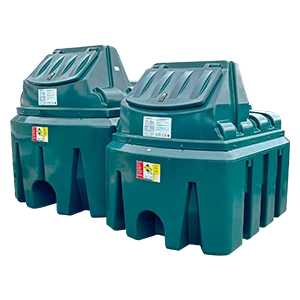
A bunded oil tank has an inner tank for storing oil and an outer protective bund designed to contain leaks or spills. This gives an added layer of environmental protection compared with a single skin tank.
For many domestic properties, a bunded oil tank is the safer and more future-proof option. In some situations, bunding may be required depending on the size of the tank, its location and the level of environmental risk.
You can read the official guidance on storing oil at a home or business for more detail on storage requirements, secondary containment and safe oil storage.
If you are replacing an old single skin tank, it is worth considering whether upgrading to a bunded model would give better protection, compliance confidence and long-term peace of mind.
You can also browse our full range of bunded oil tanks to compare common capacities, shapes and footprints.
Common Domestic Oil Tank Sizes Explained
1,000 Litre Oil Tank
A 1,000 litre oil tank is a popular choice for smaller homes, low-usage households and properties with restricted space. It can be suitable where heating demand is modest or where deliveries are easy to arrange.
This size is often available in compact or slimline designs, making it useful for properties where the tank needs to fit through narrow access routes or sit neatly against an appropriate outdoor area.
Best for:
Small homes
Lower oil usage
Limited outdoor space
Regular refill schedules
Replacement tanks where space is tight
1,200 to 1,500 Litre Oil Tank
A 1,200 to 1,500 litre domestic oil tank can be a strong middle-ground option for many UK homes. It gives more stored fuel than a 1,000 litre tank without taking up as much space as larger 2,000 litre plus models.
This range may suit average-sized homes that use heating oil for central heating and hot water, especially where the household wants a practical balance between capacity and footprint.
Best for:
Average family homes
Moderate heating oil usage
Balanced capacity and space
Two to three deliveries per year, depending on usage
1,800 to 2,500 Litre Oil Tank
A larger oil tank can be suitable for bigger properties, rural homes, higher usage households or homeowners who prefer fewer deliveries. A 2,500 litre oil tank gives more flexibility during winter and can reduce the risk of running low between refills.
However, larger tanks need more space and careful siting. They may also require more investment in the tank, base and installation.
Best for:
Larger detached homes
Higher heating demand
Rural properties
Households wanting fewer deliveries
Properties with suitable space and access
How to Calculate the Right Oil Tank Capacity
You can estimate the right oil tank size using a simple method.
First, calculate or estimate your annual oil usage in litres. If you have invoices, use those. If not, ask your oil supplier, previous homeowner or installer for guidance.
Next, decide how many deliveries you want per year. For example, if you expect to use around 2,000 litres per year and want two main deliveries, a tank around 1,200 to 1,500 litres may give useful flexibility. If you want fewer deliveries, a larger capacity may be more suitable.
Then add a sensible buffer. Heating oil demand is not the same every month. Winter usage can rise quickly, so it is wise to avoid choosing a tank that only just meets your expected minimum requirement.
Finally, match the capacity to the site. The right tank must fit safely, comply with relevant rules, allow inspection access and suit the delivery setup.
Oil Tank Size Comparison Table
| Household Type | Possible Tank Size | Best Fit |
|---|---|---|
| Small cottage or low-usage home | 1,000 litres | Compact storage and regular deliveries |
| Small to medium home | 1,200 to 1,500 litres | Balanced capacity and footprint |
| Medium to large family home | 1,500 to 2,000 litres | More winter flexibility |
| Large rural home or high-usage property | 2,000 to 2,500 litres | Fewer deliveries and larger reserve |
This table is only a guide. The correct tank size should always be based on your property, usage, installation site and any relevant storage requirements.
Should You Choose a Larger Oil Tank?
A larger oil tank can be useful, but bigger is not automatically better.
A larger tank may help if you use a lot of heating oil, live in a rural area, want fewer deliveries or prefer to buy larger quantities when prices are more favourable.
However, a larger tank may not be the right choice if your usage is low, space is restricted, the base needs significant work or the oil may sit unused for too long.
The best approach is to choose a tank that gives enough capacity for your lifestyle without creating unnecessary cost, maintenance or siting complications.
What About Oil Tank Shape?
Oil tank size is not just about litres. Shape matters too.
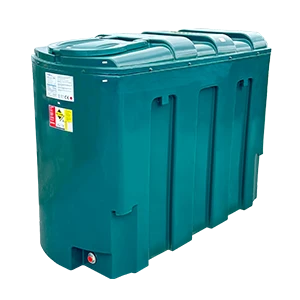
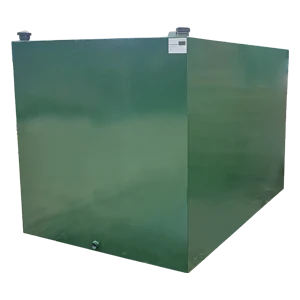
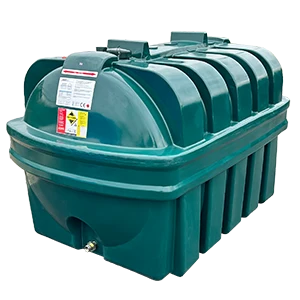
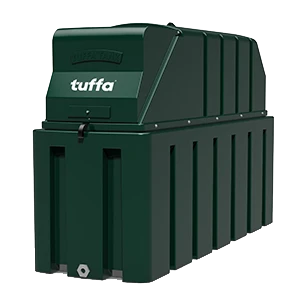
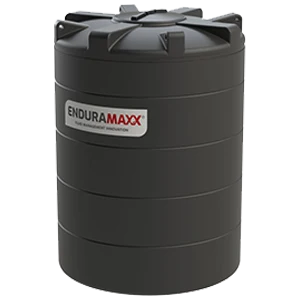
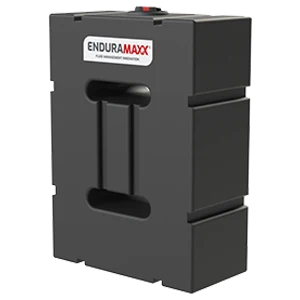
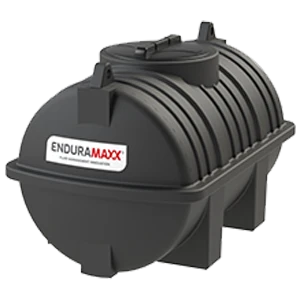
Slimline oil tanks are useful for narrow spaces and restricted access areas. Horizontal tanks can offer larger capacities and stable layouts where there is more ground space. Vertical tanks can provide higher capacity while keeping the footprint more compact.
When comparing tanks, look at both the capacity and the dimensions. A tank may hold the right amount of oil but still be unsuitable if it cannot be delivered, installed or inspected properly.
Oil Tank Maintenance Still Matters
Once you have chosen the right oil tank size, ongoing maintenance is essential. A good tank should still be checked regularly to spot problems early.
Basic oil tank checks include:
Looking for cracks, bulging or damage
Checking for signs of leaks or staining
Keeping vegetation away from the tank
Making sure the base remains level and stable
Checking gauges, caps, vents and pipework
Arranging professional inspection when needed
A well-maintained tank can help protect your heating system, reduce the risk of fuel contamination and extend the useful life of your oil storage setup.
For more guidance, read our full bunded oil tank guide, which explains how bunded tanks work and why they are commonly used for safer domestic oil storage.
Final Thoughts: What Size Oil Tank Do You Need?
The right oil tank size depends on how much oil your household uses, how often you want deliveries, how much space you have and what type of tank is suitable for your site.
For many UK homes, a domestic oil tank between 1,000 and 2,500 litres will be the most practical range. Smaller homes may only need a compact 1,000 litre tank, while larger or higher-usage properties may benefit from a 1,800 to 2,500 litre bunded oil tank.
If you are unsure, start with your annual oil usage, think about your delivery routine and check what tank sizes can safely fit your property. Choosing the right capacity now can make your heating oil storage easier, safer and more cost-effective for years to come.
Explore our range of bunded oil tanks at Oil Tank Supermarket to compare sizes, capacities and styles for your home.

Share This: