
Summer Oil Tank Maintenance Tips for UK Homeowners
Summer Oil Tank Maintenance Tips for UK Homeowners
For many UK households, a heating oil tank is easy to forget about during the warmer months. Once the central heating is used less often, the tank may sit quietly in the garden, beside the property or near an outbuilding until autumn returns.
However, summer is actually one of the most useful times of year to give your oil tank some attention. The weather is usually drier, access is easier, and any issues are much simpler to spot before the colder months arrive. A quick inspection now can help you identify early signs of wear, damage, leaks, movement or poor support before they become more serious.
This is especially important for homeowners who rely on heating oil throughout winter. If a tank problem appears during a cold spell, it can quickly become stressful, inconvenient and potentially expensive. By carrying out basic summer oil tank maintenance, you can prepare ahead, reduce the risk of last-minute disruption and make sure your heating oil storage system is in better condition before demand increases again.
A few simple checks can make a real difference. Below, we’ll cover what to look for, how to maintain the area around your tank, and when it may be time to speak to a qualified professional.
Why Summer Is the Best Time to Check Your Heating Oil Tank
Summer gives UK homeowners a real practical advantage when it comes to oil tank maintenance. The weather is usually drier, daylight lasts longer, and the area around the tank is often much easier to access than it is during wet, icy or windy winter conditions. This makes it a good time to inspect the tank carefully, clear back any vegetation, check the base, and look for early signs of damage without the pressure of needing your heating system every day.
It is also a quieter period for many heating oil systems. Because your central heating is likely being used less often, there is usually more time to deal with any issues before they affect day-to-day comfort. If a problem is discovered in December or January, it can be much more stressful. Heating demand is higher, outdoor conditions are harder, and arranging inspections, repairs or replacements may feel more urgent.
By checking your tank during summer, you give yourself more breathing space. Small warning signs such as rust, cracks, oil staining, loose fittings or an unstable base can be looked at before the colder months arrive. This proactive approach can help protect your heating oil storage system and give you more confidence that your home is better prepared for autumn and winter.
The Energy Experts also recommend using the summer months to look after your oil tank and prepare ahead of colder weather. You can read their advice here: three summer oil tank maintenance tips.
1. Inspect the Tank for Visible Damage
Start with a careful visual check of the tank itself. You do not need to be an engineer to notice obvious warning signs, but you do need to look closely and take any concerns seriously.
Check the outside of the tank for:
Cracks, splits or dents
Bulging or unusual changes in shape
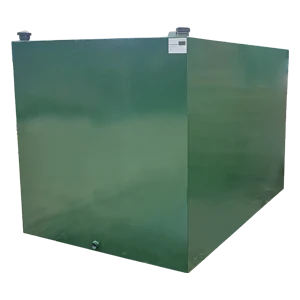
Rust patches on steel tanks
Discolouration or staining
Oil marks around the tank
Strong oil smells nearby
Damp patches or pooling around the base
Plastic oil tanks can weaken over time, especially if they have been exposed to changing weather conditions for many years. Steel oil tanks can also show signs of corrosion, particularly if moisture has been trapped around the tank.
A small visible issue does not always mean the tank has failed, but it should never be ignored. If you notice anything unusual, it is best to ask a qualified oil tank professional to inspect it properly.
2. Check the Base and Tank Support
Your oil tank base is just as important as the tank itself. A full heating oil tank is extremely heavy, so it needs to sit on a stable, level and suitable base.
During your summer oil tank inspection, look for:
Cracks in the base
Movement or sinking
Signs that the tank is leaning
Erosion around the support area
Gaps beneath the tank
Unstable slabs or concrete
If the tank is no longer sitting evenly, pressure can build in certain areas. Over time, this may increase the risk of structural stress, pipework problems or leaks.
The base should be firm, level and strong enough to support the tank when full. If anything looks uneven or unstable, arrange professional advice before your next major refill.
3. Clear Vegetation and Debris Around the Tank
Warmer weather often means faster plant growth, and overgrown vegetation around an oil tank can quickly become a problem.
Bushes, weeds, leaves, grass cuttings and garden clutter can make it harder to inspect the tank properly. They can also trap moisture, restrict airflow and make access more difficult for fuel delivery drivers or maintenance engineers.
Try to keep the area around your oil tank clear and tidy. This helps you spot early signs of leaks, staining or damage before they get worse.
Oil Tanks Plus also highlights the importance of preparing your tank for warmer weather, including checking the surrounding area and making sure the tank remains accessible. Their guide on preparing your oil tank for warmer months is a useful additional read for homeowners planning seasonal maintenance.
4. Look at the Pipework, Caps and Fittings
Your tank is only one part of the system. The pipework, fittings, fill point and caps also need to be in good condition.
During your check, look for visible signs of:
Loose fittings
Damaged pipework
Missing or cracked caps
Corrosion around connections
Oil staining near pipes
Signs of tampering or impact damage
Damaged caps or loose fittings can allow water, dirt or debris to enter the system. This can affect fuel quality and potentially lead to heating problems later in the year.
You should not try to repair oil pipework yourself unless you are qualified to do so. A visual check is useful, but any suspected issue should be handled by a professional.
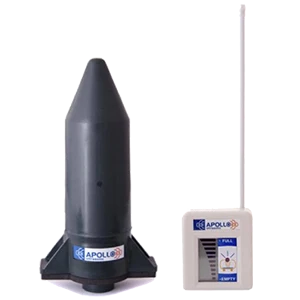
5. Monitor Your Heating Oil Level
Even in summer, it is worth keeping an eye on your heating oil level. Many households use less oil during warmer months, but some still rely on oil for hot water or occasional heating.
Letting your tank run very low can increase the chance of drawing sediment from the bottom of the tank into the system. It can also leave you under pressure if colder weather arrives earlier than expected.
Checking your oil level regularly gives you a clearer idea of usage and helps you plan refills before demand rises in autumn. Some homeowners also choose to top up earlier in the year to avoid the last-minute winter rush.
6. Improve Security Around the Tank
Heating oil is valuable, so summer is also a good time to think about oil tank security.
Check that your tank is not hidden by overgrowth but is still sensibly protected from easy access. Depending on your setup, you may want to consider a lockable cap, better lighting, a tank alarm or improved visibility from the house.
The aim is not to overcomplicate things. It is simply to make theft, tampering or accidental damage less likely.
7. Watch for Signs Your Oil Tank May Need Replacing
Maintenance can help extend the usable life of a tank, but it cannot make an ageing or damaged tank last forever.
You may need to start thinking about oil tank replacement if you notice:
Repeated oil smells
Visible cracks or splits
Serious rust or corrosion
Bulging or deformation
An unstable base
Recurring leaks or staining
A tank that is reaching the end of its expected lifespan
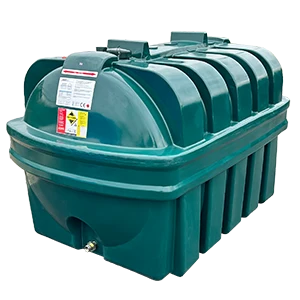
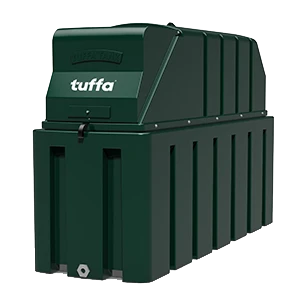
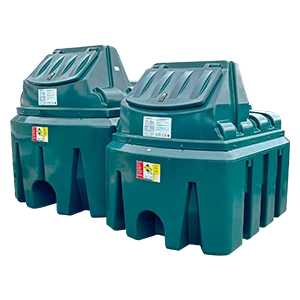
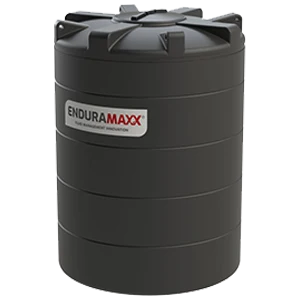
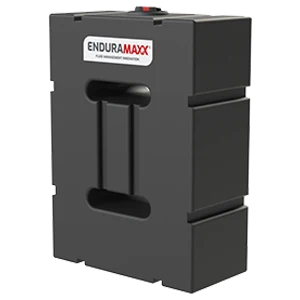
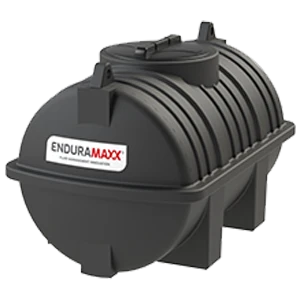
If your current tank is becoming unreliable, replacing it before winter can be far less stressful than waiting for a failure. A modern bunded oil tank can also provide added protection because it has a secondary containment layer around the inner tank.
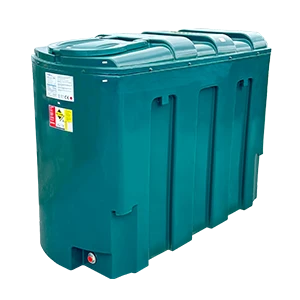
If you are comparing replacement options, you can browse the full oil tanks range at Oil Tank Supermarket, including domestic oil tanks, bunded oil tanks and different sizes to suit a variety of UK properties.
When Should You Call a Professional?
A basic homeowner inspection is useful, but it should not replace professional advice.
You should contact a qualified oil tank specialist if you notice visible damage, oil staining, strong fuel smells, unstable support, damaged pipework or anything that makes you unsure about the safety of your tank.
A professional can assess whether the tank is suitable to keep using, whether repairs are possible or whether replacement would be the safer long-term option.
This is especially important if your tank is older, exposed to harsh weather or positioned close to buildings, boundaries, drains or watercourses.
Prepare Now, Avoid Problems Later
Summer oil tank maintenance is one of the simplest ways to prepare your home for colder weather. By checking the tank, base, pipework and surrounding area now, you can spot early warning signs before they become more serious.
The key checks are straightforward: look for cracks, rust, leaks, oil smells, unstable support, overgrown vegetation and damaged fittings. If anything does not look right, arrange expert advice rather than leaving the issue until winter.
For homeowners planning ahead, Oil Tank Supermarket offers a wide range of heating oil storage options for UK properties, from compact domestic tanks to larger bunded oil tanks. Taking action during the warmer months can help you enter winter with more confidence and a better-prepared heating system.

Share This: