
Filling Your Oil Tank in Summer. Is This The Best Time?
Is Summer the Best Time to Fill Your Oil Tank?
For many UK homeowners, heating oil only becomes a priority when the weather starts to turn cold. The problem is that by autumn and winter, demand is usually higher, delivery slots can become busier, and prices may be less predictable.
That is why many households ask the same question every year: is summer the best time to fill your oil tank?
In many cases, the answer is yes. Summer can be a sensible time to top up your heating oil tank, prepare for colder months and avoid the pressure of trying to arrange an urgent oil tank delivery when everyone else is doing the same. That does not mean heating oil is guaranteed to be cheapest in summer, but it can be a practical time to buy, especially if your tank is in good condition and you have enough capacity to store the fuel safely.
This guide explains why summer can be a smart time to fill up, what affects heating oil prices, and what UK homeowners should check before booking a delivery.
Why summer can be a smart time to fill your oil tank
The main benefit of filling your oil tank in summer is preparation. You are not waiting until your heating is already under pressure, and you are less likely to be caught out by sudden cold weather.
Heating oil suppliers often see stronger demand during colder months because more homes are using their boilers daily. Certas Energy explains that topping up before busy periods can help households avoid seasonal demand pressure, while their guidance on when to fill your heating oil tank recommends planning ahead rather than waiting until you are nearly empty. You can read their advice here: when should you fill your heating oil tank?
For homeowners, this can mean three clear advantages: better preparation for winter, less risk of running low, and more flexibility when arranging delivery.
Is heating oil cheaper in summer?
Heating oil prices often change throughout the year. They can be affected by demand, crude oil prices, exchange rates, supply conditions, weather and wider global events. Because of this, it would not be accurate to say summer is always the cheapest time to buy.
However, summer is often seen as a good buying window because demand is usually lower when households are using less heating. MoneySavingExpert also notes that summer is usually the best time to buy heating oil because lower demand can help push prices down, while emergency deliveries can cost more if homeowners leave it too late.
The safest approach is to monitor prices, avoid panic buying and plan ahead before the winter rush. If your tank has space and is suitable for a refill, a summer top-up can put you in a stronger position before temperatures drop.
Why you should not wait until your tank is nearly empty
Waiting until your tank is almost empty can create problems. You may have fewer delivery options, you may need a faster delivery, and you may be more exposed to winter price increases.
There is also a practical heating issue. If you run out of oil completely, your boiler may stop working and could need attention before it runs properly again. That is the last thing you want during a cold spell.
A better habit is to keep an eye on your tank level throughout the year and reorder before it gets too low. Many households choose to plan a top-up when the tank reaches around a quarter full, although the right timing depends on your tank size, household usage and the time of year.
Check your oil tank before arranging a summer delivery
Before you book an oil tank delivery, take a few minutes to check that your tank looks safe and accessible. A delivery should not be made into a tank that appears damaged, unstable or leaking.
Walk around your domestic oil tank and look for:
Cracks, splits or bulging on plastic tanks
Rust, corrosion or flaking on steel tanks
Oil stains on the ground
Strong smells of oil near the tank
A leaning or unstable tank base
Blocked access around the tank
Damaged pipework, fittings or valves
Overgrown vegetation around the tank
Oil Tanks Plus also explains that summer can be a useful time to check your tank before winter, because you are less reliant on your heating system and have more time to deal with issues calmly. Their guide on filling your oil tank in summer makes the same key point: summer filling is not just about price, it is also about preparation.
If your tank shows signs of damage, it is better to arrange an inspection before placing a large oil order.
Make sure the delivery driver can access your tank
Access is easy to overlook. Before booking your delivery, make sure the route to the tank is clear and safe. Remove overgrown plants, garden furniture, bins or anything else that could block access.
You should also make sure the fill point is visible and reachable. If your tank is difficult to access, the driver may not be able to complete the delivery. This can delay your top-up and create unnecessary hassle, especially if you have already let the oil level drop too low.
Should you fill the tank completely?
You should never overfill an oil tank. Heating oil needs room for expansion, so tanks are usually filled below their total capacity rather than right to the top. The exact safe fill level can depend on the tank and delivery setup, so follow your supplier’s guidance.
What matters most is that your tank is sound, level, suitable for the amount being delivered and not showing signs of damage. If you are unsure whether your current tank is safe to refill, get professional advice first.
When a new oil tank may be the better option
Sometimes, the best preparation for winter is not simply ordering more oil. It may be replacing an old or unsuitable tank before you refill it.
You may need to consider a new oil tank if your current tank is:
Cracked or badly weathered
Showing corrosion or rust
Leaning or poorly supported
Leaking or stained around the base
Too small for your household usage
Difficult to access for deliveries
No longer suitable for its location
Past its expected service life
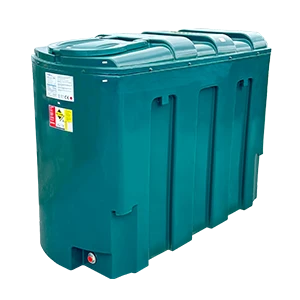
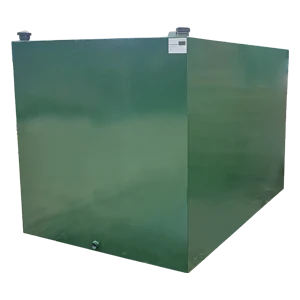
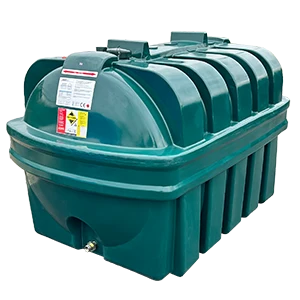
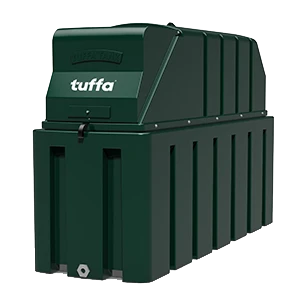
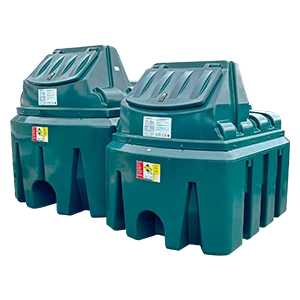
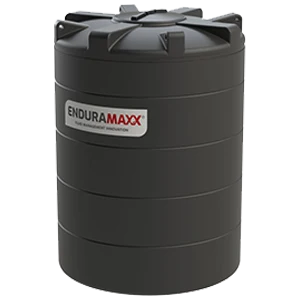
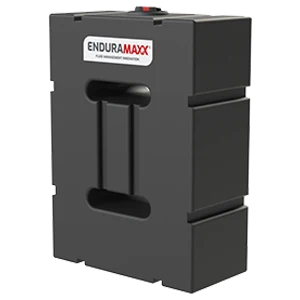
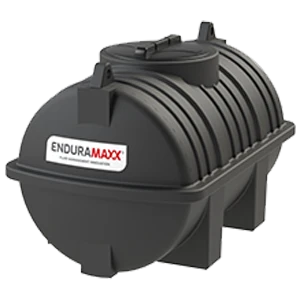
At Oil Tank Supermarket, homeowners can browse a wide range of oil tanks UK customers use for domestic and commercial storage, including bunded oil tanks, steel oil tanks, single skin oil tanks, fire protected tanks and oil tank accessories. The website highlights free delivery, a best price guarantee and up to 12 years warranty on selected tanks.
Choosing the right oil tank before winter
If your tank is old, undersized or showing signs of wear, summer is a good time to compare replacement options. You have more time to measure the space, think about capacity, arrange installation and avoid the urgency of replacing a tank during cold weather.
A bunded oil tank is often the preferred option for modern domestic oil storage because it includes secondary containment. Steel oil tanks may be suitable for certain sites, while fire protected oil tanks can be useful where standard separation distances are difficult to achieve. The right choice depends on your property, available space, capacity needs and site requirements.
You can browse the full range of oil tanks available from Oil Tank Supermarket, including bunded, steel, single skin and fire rated options.
Practical summer oil tank checklist
Before winter arrives, use summer as a chance to get organised:
Check your current oil level
Monitor heating oil prices
Book delivery before demand increases
Inspect the tank for damage or leaks
Clear access around the tank
Check pipework and fittings visually
Arrange a professional inspection if unsure
Consider replacing old or damaged tanks
Make sure your tank capacity suits your home
Avoid waiting until you are nearly empty
This simple routine can help you avoid emergency decisions later in the year.
Common questions about filling your oil tank in summer
Is summer definitely the cheapest time to buy heating oil?
Not always. Summer can be a good time because demand is usually lower, but prices can still change due to market conditions, supply issues and global events. The best approach is to monitor prices and plan ahead rather than assume one month will always be cheapest.
Should I fill my oil tank before winter?
Yes, for many homeowners it makes sense to top up before winter. It reduces the risk of running low during cold weather and gives you more flexibility with delivery timing.
Can I fill an old oil tank?
Only if it is safe and suitable. If the tank is cracked, rusty, leaning, leaking or showing signs of damage, arrange an inspection before delivery.
What is the best time to buy heating oil?
The best time to buy heating oil is often late spring or summer, when demand is usually lower. However, the right time for your household depends on your current oil level, tank size, usage and market prices.
Final thoughts
Summer can be one of the most practical times to fill your oil tank. You can prepare before winter, avoid last-minute delivery pressure and give yourself time to deal with any tank issues before your heating system becomes essential again.
The key is not to focus only on the price of oil. Before arranging a delivery, make sure your tank is safe, stable, accessible and suitable for the amount of oil you want to order. If your tank is old or showing signs of damage, replacing it before winter may be the smarter long-term decision.
For reliable domestic and commercial oil storage, visit Oil Tank Supermarket or browse the full range of oil tanks to find the right option for your property.

Share This: