
Signs Your Heating Oil Tank May Need Replacing
7 Signs Your Heating Oil Tank Needs Replacing Before Winter
As winter approaches, many UK homeowners start thinking about heating oil deliveries, boiler servicing and keeping their home warm. But one part of the heating system is often overlooked: the oil tank itself.
Your heating oil tank plays a vital role in storing fuel safely. If it becomes cracked, corroded, unstable or damaged, it can increase the risk of leaks, failed deliveries, heating disruption and expensive emergency work. Spotting the warning signs early gives you time to arrange an inspection, compare replacement options and avoid problems during the coldest months of the year.
Below, we explain the seven key signs that your domestic heating oil tank may need replacing before winter.
Quick Answer: How Do You Know If Your Heating Oil Tank Needs Replacing?
Your oil tank may need replacing if you notice visible cracks, rust, corrosion, oil stains, strong fuel smells, bulging, warping, damaged pipework or an unstable base. Older tanks, especially those showing several signs of wear, should be inspected by a qualified professional before winter heating demand increases.
For a related guide, you can also read this article from Oil Tanks Plus on the 7 signs your oil tank may need replacing.
1. Visible Cracks or Splits
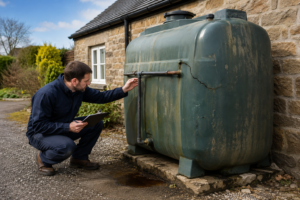
One of the clearest signs that your heating oil tank may need replacing is visible cracking.
Cracks can appear on plastic tanks due to age, weather exposure, UV damage or structural stress. Even a small crack should not be ignored, as it can worsen over time and may eventually lead to a leak.
Check the sides, corners, seams and top of the tank. Pay close attention after freezing weather, storms or long periods of heavy rain. If you can see splits, surface damage or areas that look weaker than the rest of the tank, arrange a professional inspection as soon as possible.
2. Rust or Corrosion
Rust and corrosion are common warning signs on older steel oil tanks. While light surface marks may not always mean the tank has failed, widespread rust, flaking metal or deep corrosion can weaken the tank structure.
Corrosion is especially concerning around:
- Tank seams
- Welded joints
- Fittings and outlets
- The underside of the tank
- Areas where water may collect
If rust has started to spread or the tank looks visibly deteriorated, replacement may be more practical than repeated repairs. A weakened tank can become a serious risk during winter, when heating oil usage and delivery frequency often increase.
3. Oil Leaks, Stains or Strong Fuel Smells
Oil stains around the tank are a major warning sign. Dark patches on the ground, damp-looking areas, oily residue or a strong smell of heating oil can all suggest a leak or spill.
Even a minor leak should be treated seriously. Heating oil can contaminate soil, damage nearby surfaces and create costly clean-up issues. It can also affect whether your fuel supplier is willing to deliver oil safely.
If you notice oil staining, do not wait for the problem to get worse. Stop using the tank if advised to do so and contact a qualified oil tank professional for guidance. You can also read Certas Energy’s guide to oil tank replacement for more information on what to check.
4. Bulging, Warping or Distortion
A healthy oil tank should keep its intended shape. If your tank appears to be bulging, bowing, sagging, swelling or leaning, this could indicate structural weakness.
Bulging is particularly common in ageing plastic tanks where the tank walls have started to lose strength. It may also suggest the tank is under stress from poor support, ground movement or internal deterioration.
Do not ignore distortion. Once a tank has started to change shape, it may no longer be safe for continued use, especially when full. A full tank of heating oil is extremely heavy, so the tank structure and base both need to be sound.
5. An Unstable or Uneven Base
Your heating oil tank base is just as important as the tank itself. A tank should sit on a firm, level, non-combustible base that provides continuous support.
Warning signs of a poor base include:
- The tank leaning to one side
- Cracks in the concrete or paving
- A sinking or uneven base
- Gaps underneath the tank
- Movement after rain or frost
- The tank sitting directly on soil, timber or an unsuitable surface
An unstable base can place pressure on the tank and pipework, increasing the risk of cracks, leaks or structural failure. If the base is no longer supporting the tank properly, the tank may need to be moved, reinstalled or replaced as part of the work.
6. Damaged Pipework, Fittings or Gauges
Your heating oil tank does not work on its own. The pipework, fittings, outlet, filter and gauge all help move and monitor your heating oil safely.
Signs of a problem include:
- Cracked or worn pipework
- Loose fittings
- Damaged valves
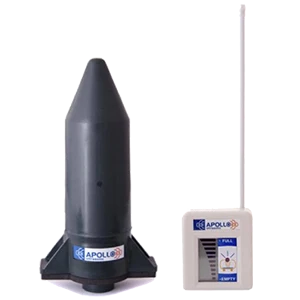
- A faulty heating oil tank gauge
- Oil residue around connections
- Pipework that is unsupported or exposed
- Sudden changes in oil usage
Damaged pipework does not always mean the tank itself needs replacing, but it should always be checked. In some cases, pipework issues are part of a wider problem with an old or poorly installed tank system.
7. Age and General Wear and Tear
Age is one of the biggest factors when deciding whether to replace a heating oil tank. Many tanks can last for years when properly installed and maintained, but no tank lasts forever.
If your heating oil tank is over 15 to 20 years old, or you do not know when it was installed, it is worth arranging a professional inspection. Older tanks are more likely to develop cracks, rust, weak spots, faulty fittings and base-related issues.
You should be especially cautious if the tank is old and showing more than one warning sign. For example, a slightly rusty tank may not automatically need replacing, but rust combined with an unstable base, oil smells and damaged fittings is much more concerning.
Should You Replace Your Heating Oil Tank Before Winter?
Replacing an oil tank before winter can be a sensible decision if the tank is showing signs of failure. Winter usually places more demand on your heating system, and emergency replacement work can be more stressful during cold weather.
Replacing your tank early can help you:
- Reduce the risk of leaks or spills
- Avoid emergency heating disruption
- Make oil deliveries easier and safer
- Improve long-term fuel storage security
- Choose the right tank without rushing
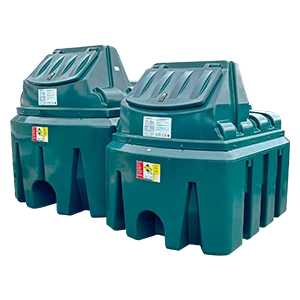
- Upgrade to a modern bunded oil tank
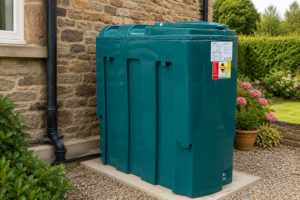
A bunded tank gives an extra layer of protection because it includes secondary containment. This helps contain oil if the inner tank fails, making it a popular choice for modern domestic oil storage.
You can explore a wide range of oil tanks at Oil Tank Supermarket, including bunded, steel, plastic, single skin and fire protected options.
What Type of Heating Oil Tank Should You Choose?
The right heating oil tank depends on your property, available space, fuel usage, installation location and compliance requirements.
Common options include:
Bunded Oil Tanks
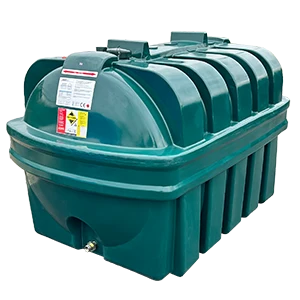
Bunded oil tanks are double-skinned tanks designed to provide extra containment in the event of a leak or spill. They are often the preferred option for domestic heating oil storage because they offer improved protection and peace of mind.
Plastic Oil Tanks
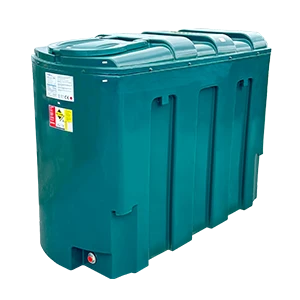
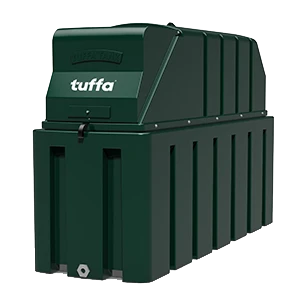
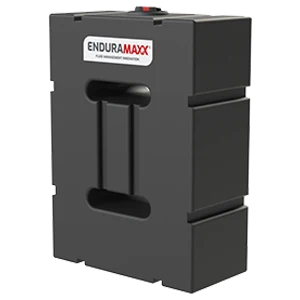
Plastic oil tanks are lightweight, corrosion-resistant and suitable for many domestic properties. They are available in a range of shapes and sizes, including slimline models for tighter spaces.
Steel Oil Tanks
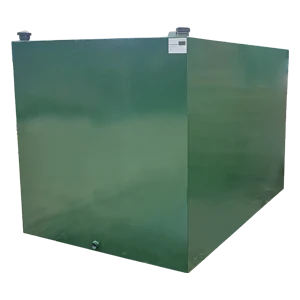
Steel oil tanks are strong, durable and can often be manufactured in custom sizes. They can be a good option where space, access or site layout requires a more tailored solution.
Fire Protected Oil Tanks
Fire protected tanks may be suitable where the tank needs to be positioned closer to a building, boundary or other structure, subject to the correct installation requirements.
For help comparing options, visit Oil Tank Supermarket and browse tanks by size, material and tank type.
FAQs About Oil Tank Replacement
How often should a heating oil tank be replaced?
There is no single replacement age for every oil tank. It depends on the tank material, installation quality, maintenance history, weather exposure and condition. As a general rule, older tanks should be inspected regularly, especially once they are over 15 years old.
Can a cracked heating oil tank be repaired?
Some minor issues may be repairable, but visible cracks should always be checked by a professional. In many cases, replacing the tank is safer and more cost-effective than trying to repair an ageing or weakened tank.
Is rust on an oil tank serious?
Rust can be serious if it is widespread, deep or located around seams, fittings or the base of the tank. Surface rust may not always mean immediate failure, but corrosion should never be ignored.
What should I do if my oil tank is leaking?
If you suspect a leak, act quickly. Avoid using the tank if advised, keep ignition sources away, prevent the oil from spreading if it is safe to do so, and contact a qualified oil tank specialist. Oil leaks can cause environmental damage and expensive clean-up work.
Do I need a bunded oil tank?
Many modern replacement installations use bunded oil tanks because they offer secondary containment. Whether you need one depends on your property, tank size, location and risk assessment. A qualified installer can advise on the correct option for your site.
Final Thoughts: Check Your Oil Tank Before Winter
Your heating oil tank is easy to forget about until something goes wrong. But cracks, rust, leaks, bulging, unstable bases and damaged pipework are all signs that should be taken seriously.
Checking your heating oil tank before winter gives you time to deal with problems properly, rather than waiting for an emergency during colder weather. If your tank is old, damaged or showing several warning signs, arranging a professional inspection is the safest next step.
Ready to compare replacement options? Browse the full range of oil tanks at Oil Tank Supermarket and find a secure storage solution for your home.

Share This: