
How to Prepare Your Oil Tank for Warmer Months
How to Prepare Your Oil Tank for the Warmer Months
As the warmer months arrive, many UK homeowners naturally stop thinking about their heating system. The radiators are off, the days are lighter, and your oil usage usually drops. But this quieter period is actually one of the best times to carry out basic oil tank maintenance.
Preparing your heating oil tank during spring or summer can help you spot small issues before they become expensive problems. It also gives you more time to plan repairs, arrange a refill, check access and decide whether your current tank is still suitable before colder weather returns.
Whether you have a plastic tank, steel tank, single skin tank or one of the many modern bunded oil tanks available, a few simple seasonal checks can make a big difference to safety, reliability and peace of mind.
Why Warmer Weather Is the Best Time for Oil Tank Maintenance
Winter is when your domestic oil tank works hardest. Demand for heating oil rises, the weather can make access more difficult, and running low on fuel becomes far more stressful. By carrying out checks in warmer weather, you give yourself time to deal with potential problems before your heating becomes essential again.
A summer oil tank inspection also makes practical sense. The ground is usually drier, visibility is better, and it is easier to clear plants, debris and obstacles from around the tank. If you discover cracks, leaks, movement in the base or signs of ageing, you can look into repairs or an oil tank replacement without the pressure of freezing weather.
It is also a good opportunity to review your heating oil levels. Some homeowners leave their tank almost empty through summer, but this is not always the best approach. Guidance from Oil Tanks Plus explains that allowing your tank to empty too far can increase the risk of sediment and impurities being drawn into the heating system. Their guide on how often you should fill your oil tank is a useful read if you are unsure how to plan your refills.
Check Your Oil Tank for Visible Damage
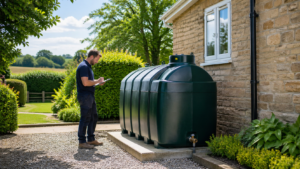
Start with a careful visual check of the tank itself. You do not need to dismantle anything or interfere with fittings. Simply walk around the tank and look for signs that something may be wrong.
Pay close attention to:
Cracks, splits or bulging in plastic tanks
Rust, corrosion or flaking paint on steel tanks
Oil stains or damp patches around the base
Leaks near pipes, valves or fittings
A strong smell of heating oil
Movement, leaning or sinking around the tank base
Even small warning signs should not be ignored. A damaged heating oil tank can become a safety risk, especially if it starts to leak or the base becomes unstable. If anything looks unusual, it is best to arrange a professional assessment rather than waiting until the issue gets worse.
Keep the Area Around the Tank Clear
Overgrown grass, weeds, bushes and stored items can make your oil tank harder to inspect and more difficult to access for deliveries. During the warmer months, vegetation can grow quickly, so this is a good time to cut back plants and create a clear working space around the tank.
The area should be tidy, accessible and easy to inspect. Remove loose debris, garden waste, unused equipment and anything that could block access to the fill point. This helps delivery drivers reach the tank safely and makes it easier for you to spot future leaks or changes in condition.
A clear area also reduces the risk of pests nesting nearby and helps prevent plants from pressing against the tank or pipework.
Check the Tank Base and Supports
Your oil tank should sit on a stable, level and suitable base. If the base has started to crack, sink, tilt or shift, the tank may not be properly supported. This can put pressure on the tank and pipework, especially when it is full.
Look at the base from all sides and check whether the tank appears level. Watch for:
Cracked concrete
Uneven slabs
Soft or sinking ground
Leaning supports
Gaps beneath the tank
Signs the tank has moved over time
If the base does not look secure, get advice before refilling the tank. A full tank can be extremely heavy, so poor support should be dealt with seriously.
Review Your Heating Oil Levels
Warmer weather is a smart time to check your heating oil levels and plan ahead. You may not be using much heating in summer, but your oil may still be needed for hot water depending on your system.
As a general rule, many homeowners aim to reorder before the tank gets too low. 123 Oil recommends filling your oil tank when it reaches around 25–30% capacity, helping to reduce the risk of running dry and lowering the chance of sludge entering the boiler system. Their guide on when you should fill your oil tank explains why summer can be a sensible time to top up, as demand is often lower and delivery schedules may be more flexible.
Keeping an eye on your gauge during spring and summer also helps you understand your household’s usage pattern. This makes it easier to budget and avoid last-minute winter deliveries.
Make Sure the Gauge Is Working
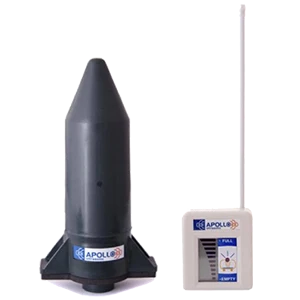
A faulty oil tank gauge can give you false confidence. If the gauge is stuck, cracked, unclear or giving readings that do not seem accurate, it may need checking or replacing.
Do not rely on guesswork. Running out of oil can be inconvenient and may cause issues with your heating system. If you are not sure whether your gauge is working properly, arrange for it to be inspected by a professional.
Check for Water, Sludge and Contamination Risks
Condensation, rainwater ingress and sludge can all affect the quality of the fuel inside your tank. Water can enter through damaged lids, poor seals or faulty fittings, while sludge can build up naturally over time at the bottom of the tank.
You should not open the tank unnecessarily or try to remove contamination yourself. However, you can look for signs that something may be wrong, such as a damaged cap, loose fittings, unusual smells, poor boiler performance or visible deterioration around the top of the tank.
If you suspect contamination, professional help is the safest option.
Consider Whether Your Current Tank Is Still Suitable
Seasonal maintenance is also a good time to ask whether your current tank still suits your home. Older tanks, undersized tanks or tanks in awkward locations may make refills and inspections more difficult than they need to be.
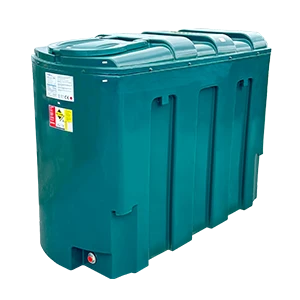
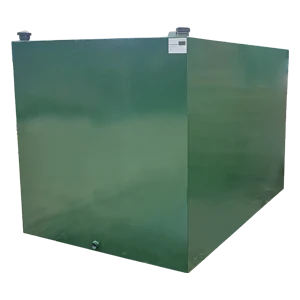
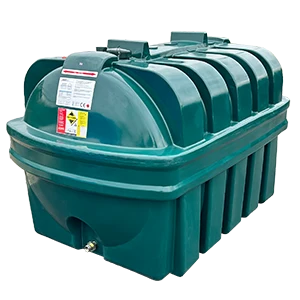
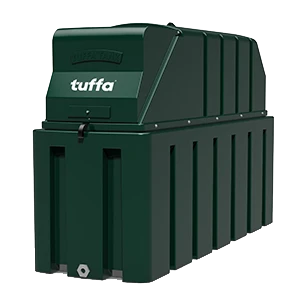
If your current tank is damaged, too small, difficult to access or no longer compliant for its location, it may be time to explore a replacement. At Oil Tank Supermarket, homeowners can browse a wide range of domestic oil tanks, including plastic, steel, single skin, fire protected and bunded options.
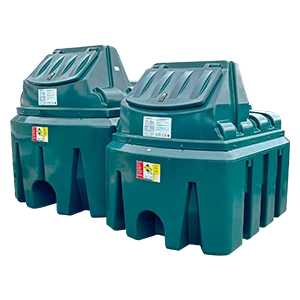
For many homes, bunded oil tanks are a popular choice because they include an inner tank and outer protective layer, helping to provide added security against leaks and overfills.
When Should You Get Professional Help?
Some basic oil tank maintenance can be done visually by the homeowner, but you should get expert support if you notice anything concerning.
Arrange a professional inspection if you spot:
Cracks, bulging or distortion
Rust or corrosion
Oil smells or visible staining
A tank that appears to be leaning
An unstable or damaged base
Damaged pipework or fittings
A faulty gauge
Signs of water or sludge contamination
It is always better to deal with possible problems early, especially before autumn and winter increase demand on your heating system.
Final Thoughts
Preparing your oil tank for the warmer months is a simple but important part of looking after your home heating system. By checking for damage, clearing the surrounding area, monitoring heating oil levels and reviewing the condition of your tank, you can reduce the risk of unexpected issues later in the year.
A little attention now can help you avoid stress when the colder weather returns. And if your current tank is showing signs of age, wear or poor suitability, summer is a practical time to compare replacement options and plan ahead.
Looking for a new domestic oil tank? Browse the full range of oil tanks at Oil Tank Supermarket to find a suitable option for your home, space and storage needs.

Share This: