

How Often Should a Heating Oil Tank be Inspected?
How Often Should You Inspect a Heating Oil Tank?
If your home uses heating oil, regular tank checks are one of the simplest ways to avoid bigger problems later. A small crack, a loose fitting, or a slow leak can be easy to miss at first, but left unnoticed, those issues can become expensive, disruptive, and potentially damaging to the surrounding area. That is why routine oil tank inspection matters so much for UK homeowners. Current guidance recommends checking your oil tank regularly yourself and arranging a professional inspection at least once a year.
For most households, the best approach is a mix of quick monthly visual checks and a more thorough annual inspection by a qualified professional. That combination helps you catch obvious warning signs early while also making sure more technical issues are not missed. If you are reviewing your current setup or thinking about replacing an ageing tank, you can browse the full range at Oil Tank Supermarket or view the current oil tank collection.
How often should you check your oil tank?
For homeowners, the safest rule is to carry out a visual check around once a month. This is the frequency specifically recommended in current public guidance, which advises inspecting tanks, pipes, and related equipment for leaks, damage, or interference every month and fixing any problems as soon as possible.
A professional inspection should generally happen at least once a year. Recent maintenance guidance aimed at domestic users says your oil tank should be professionally inspected annually, and government guidance also supports yearly inspection by someone registered with a competent person scheme.
So in practical terms, the answer is simple. Check it yourself monthly, and have it looked at professionally every year. That routine gives you a much better chance of spotting wear before it turns into a leak or failure.
What should you look for during a visual oil tank inspection?
A monthly check does not need to be complicated. Start by looking at the tank body itself. Watch for cracks, dents, bulging, rust, corrosion, splits, staining, or anything that looks different from normal. Then check around the base of the tank and the surrounding ground for signs of oil, damp patches, or strong smells that could suggest a leak. Pipework, valves, gauges, and fittings should also be checked for damage or looseness.
It is also worth paying attention to the area around the tank. Overgrown plants, clutter, unstable ground, or anything pressing against the tank can make inspections harder and sometimes contribute to damage going unnoticed. Public guidance also warns homeowners to think about nearby drains, streams, and ponds, because leaks can cause serious environmental harm if oil escapes into the ground or water system.
A useful external guide on this is Check your oil tank, which reinforces the importance of monthly inspections and annual servicing.
What affects how often an oil tank should be inspected?
Some tanks need closer attention than others. Older tanks, tanks exposed to harsher weather, and tanks installed in locations with poor drainage or unstable bases may show signs of wear sooner. Guidance from Your NRG also notes the value of regular checks to catch small issues before they become larger and more expensive to fix.
Material can also play a part. Steel tanks may be more prone to visible corrosion over time, while plastic tanks can develop cracks, fading, or warping as they age. Even when no obvious issue is visible, age alone can be a reason to arrange a closer inspection if the tank has been in place for many years.
If your property has recently had extreme weather, ground movement, or an accidental knock to the tank, it makes sense to inspect it sooner rather than waiting for the next routine check. Monthly is the baseline, but extra checks after unusual events are a sensible precaution.
Warning signs you should never ignore
Some issues call for quick action rather than waiting for the next annual service. Obvious warning signs include:
Visible oil leaks or staining around the tank
Cracks, splits, or bulging in the tank body
Rust, corrosion, or weakened areas on a metal tank
Damaged or loose pipework and fittings
A tank that appears to be leaning or sitting unevenly on its base
A sudden drop in oil level that does not match your normal usage
If you spot any of these, it is best to stop treating the issue as routine maintenance and get professional advice. Small oil leaks can quickly become much bigger problems, both for your property and for the surrounding environment. Government guidance is clear that oil spills can cause serious pollution, and insurance-related clean-up costs can be significant.
What can happen if you do not inspect your oil tank regularly?
Skipping inspections can lead to more than just repair bills. A missed leak can contaminate soil, drains, and watercourses. A damaged tank or unstable base can also increase the risk of sudden failure, especially in colder months when you rely on the system most. Public UK guidance specifically highlights the risk of environmental damage from leaking domestic oil tanks, which is one of the main reasons regular checks are strongly advised.
There is also the practical side. A damaged tank can leave you without heating or hot water at the worst possible time. Problems caught early are usually easier and cheaper to deal with than issues that have been building unnoticed for months.
For a more detailed maintenance overview, this oil tank maintenance guide is a useful supporting resource.
When should you replace an oil tank?
Inspection is not just about confirming that everything is fine. It is also how you start to identify when a tank may be nearing the end of its safe life. Repeated leaks, severe corrosion, structural cracks, or ongoing issues with the base or fittings can all point towards replacement rather than repeated repair. Government guidance says the person inspecting your tank should let you know when it needs replacing.
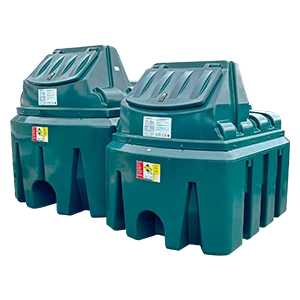
If replacement is the safer option, choosing the right new tank matters. Oil Tank Supermarket offers a range of sizes and styles for different domestic requirements, including bunded, steel, and single skin options. You can view the range here: oil tanks.
Final thoughts
So, how often should you inspect a heating oil tank? The best answer for most UK homeowners is once a month for a visual check and at least once a year for a professional inspection. That simple routine helps you spot leaks, damage, and wear early, protects your heating system, and reduces the risk of larger repair or environmental problems later on.
If your current tank is showing signs of age, damage, or ongoing issues, it may be time to look at replacement options rather than waiting for a bigger failure. Visit Oil Tank Supermarket to explore domestic oil tank options, or go straight to the oil tanks category to compare available models.

Share This: