
Keep Your Oil Tank Area Safe and Tidy This Summer
How to Keep the Area Around Your Oil Tank Safe and Tidy in Summer
Summer is one of the best times for UK homeowners to check their heating oil tank area. The weather is usually better, the ground is easier to inspect, and overgrown plants or clutter are easier to deal with before autumn and winter arrive. A tidy oil tank area does more than improve the look of your garden or side space. It also makes inspections easier, helps deliveries go more smoothly, and reduces the risk of hidden damage, trip hazards, and access problems.
If you have been putting off a quick tank check, now is a smart time to do it. Keeping the space around your tank clear and well maintained can help you spot issues earlier and keep your heating oil storage in better condition for the colder months ahead.
Why the area around your oil tank matters
A lot of homeowners focus on the tank itself and forget the space around it. That surrounding area matters more than many people realise. If vegetation, fencing, garden furniture, bins, or stored items block access, it becomes harder to inspect the tank properly and more difficult for engineers or delivery drivers to reach it safely. UK government guidance on storing oil at a home or business also stresses the importance of protecting oil storage from leaks and pollution, which is far easier when the tank and its fittings remain visible and accessible.
A clear area around the tank also helps with day-to-day awareness. When you can easily see the base, pipework, and nearby ground, it is much easier to notice warning signs such as staining, standing water, movement, or damage.
Cut back overgrown plants and shrubs
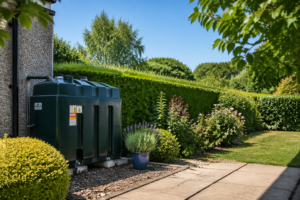
One of the simplest summer jobs is clearing back vegetation around the tank. Bushes, hedges, weeds, and long grass can quickly build up around an oil tank, especially during warmer months. While this might seem harmless at first, overgrowth can hide cracks, rust, bulging, leaks, and damaged fittings. It can also trap moisture around the tank and base, which is not ideal for long-term condition.
If you want the tank to look less obvious without creating safety or access problems, this guide on top ways to hide your oil tank is a useful reference. It explains how screening and garden design can improve appearance without blocking ventilation, visibility, or maintenance access.
Remove clutter and keep access routes clear
Summer is also a good time to move anything that has gradually been left near the tank. Garden tools, outdoor furniture, bins, plant pots, children’s toys, and DIY materials can all build up around oil storage areas over time. Even if they are not directly touching the tank, they can still make the area less safe and less practical.
Keeping access clear is important for visual checks, maintenance work, and fuel deliveries. If a driver or engineer cannot comfortably reach the tank, it can slow things down or make inspections more awkward than they need to be. A clean, open space around the tank is one of the easiest ways to improve both safety and convenience.
Check the tank base and surrounding ground
Once the area is clear, take a look at the base and nearby ground. Your oil tank should sit on a stable, level base that can support its weight when full. If the ground around the base is eroded, uneven, waterlogged, or starting to sink, that can create problems over time. You should also look for pooled water, dark staining, or anything that suggests a spill or leak may have occurred.
Government guidance says oil storage containers should be positioned and protected to reduce the risk of pollution, which is another reason the condition of the ground and surrounding area matters so much. If the space around the tank is untidy, these warning signs can be easy to miss. Storing oil at a home or business includes broader guidance on safe oil storage, protection, and pollution prevention.
Make sure pipework and fittings are visible
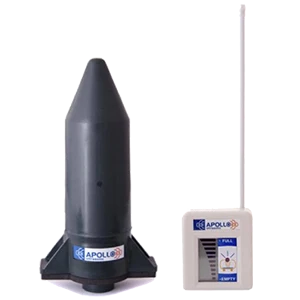
Pipework, valves, caps, and gauges should not be hidden behind dense planting or blocked by stored items. These are the parts you may need to inspect quickly if you suspect a problem, and they are often the first areas where leaks, wear, or damage become visible.
A simple summer check should include making sure these parts are easy to see and access. If you notice corrosion, looseness, staining, or any obvious damage, it is best not to ignore it. Problems around fittings can become more serious once the heating season returns and the tank sees heavier use.
Think about security as well as tidiness
A tidy oil tank area is not only about appearance. It can also improve security. If fencing, screening, or covers are damaged or poorly positioned, they may not be doing much to protect the tank. At the same time, anything added around the tank should not block ventilation, access, or visibility.
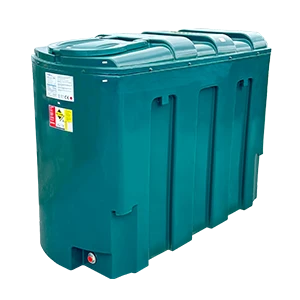
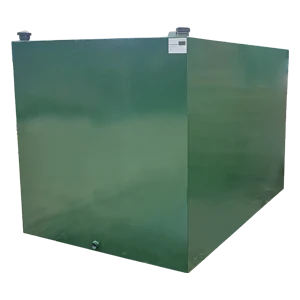
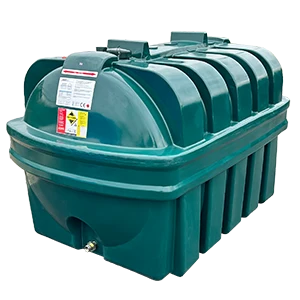
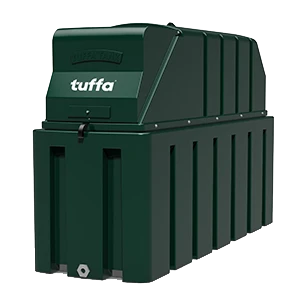
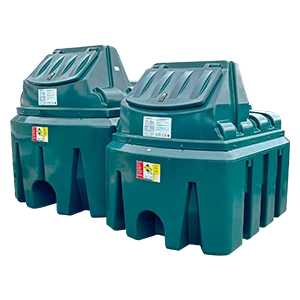
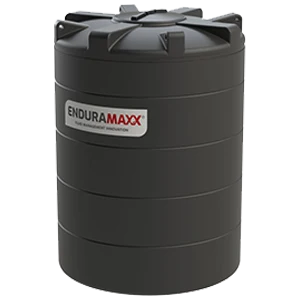
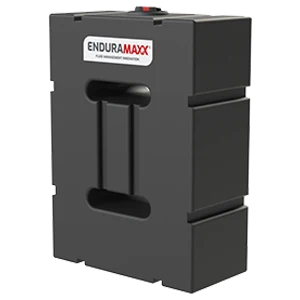
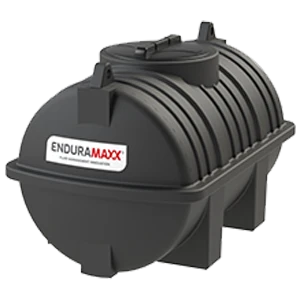
That balance matters if you are trying to make the tank blend in better. The safest approach is to improve appearance without boxing the tank in too tightly. If you are considering replacement options that may suit your space better, you can browse the full Oil Tank Supermarket oil tank range to compare available styles and sizes.
When a tidy-up reveals a bigger problem
Sometimes a summer clear-out reveals more than you expected. Once the area is opened up, you may notice a crack, bulge, rust patch, unstable base, or general ageing that suggests the tank is no longer in great condition. If that happens, it may be time to think beyond maintenance and consider whether a replacement is the better long-term option.
At Oil Tank Supermarket, homeowners can browse a wide range of domestic oil tanks online, including different capacities and styles for different property needs. That can be useful if your current setup is hard to access, outdated, or showing signs that it may not be worth patching up repeatedly.
Final thoughts
Keeping the area around your oil tank safe and tidy in summer is a simple job, but it can make a real difference. Cutting back overgrowth, clearing clutter, checking the base, and keeping fittings visible all help make inspections easier and reduce the chances of hidden problems building up unnoticed. It also leaves you in a stronger position before autumn and winter arrive.
If your tank area needs a refresh, start with access and visibility first. And if your checks suggest the tank itself may need upgrading, visit Oil Tank Supermarket or browse the full oil tank range to explore replacement options.

Share This: