
Why Summer Is a Smart Time to Check Your Heating Oil Tank
Why Summer Is a Smart Time to Check Your Heating Oil Tank
Summer might not be the season when your heating system is working hardest, but it is one of the best times to check your heating oil tank. When the weather is warmer and heating demand is lower, homeowners have more time to inspect their tank, spot early warning signs and deal with any issues before autumn and winter arrive.
A heating oil tank is easy to overlook when everything seems to be working properly. However, small problems such as cracks, corrosion, unstable bases, damaged fittings or early signs of leakage can become far more serious if they are left until colder weather. A quick summer inspection can help protect your property, reduce the risk of oil loss and give you more confidence before your heating system becomes essential again.
If your tank is showing signs of age or damage, summer also gives you more breathing room to compare replacement options, arrange installation and avoid the pressure of emergency winter repairs.
Why Check Your Heating Oil Tank in Summer?
Summer is a practical time to inspect your oil tank because your heating system is usually under less demand. This means you are less likely to be dealing with urgent heating needs at the same time as trying to solve a tank problem.
It is also easier to access the tank area during dry, brighter weather. Overgrown plants, soft ground, standing water, rust, dents and oil staining can all be easier to spot when the surrounding area is clear and visible.
Checking your heating oil tank in summer can help you:
- Spot cracks, bulging, rust or damage early
- Reduce the risk of oil leaks before winter
- Keep the tank area safe and accessible
- Plan repairs or replacement without seasonal pressure
- Monitor heating oil levels before demand increases
- Avoid being caught out by an ageing or unsafe tank
In simple terms, summer gives you time. Time to inspect properly, time to act sensibly and time to make a considered decision if your tank needs attention.
What Should You Look for When Inspecting an Oil Tank?
You do not need to be an expert to carry out a basic visual check. The aim is not to repair the tank yourself, but to notice anything that looks unsafe, unusual or different from normal.
When checking your oil tank, look for the following warning signs:
1. Cracks, Splits or Bulging
Plastic oil tanks can become damaged over time due to age, weather exposure, impact or movement. Look closely for visible cracks, splits, deep scratches, bulging sides or areas that appear warped.
Even small cracks can become more serious, especially when the tank is full or exposed to changing temperatures. If you notice any distortion, it is worth getting professional advice before the issue worsens.
2. Rust or Corrosion
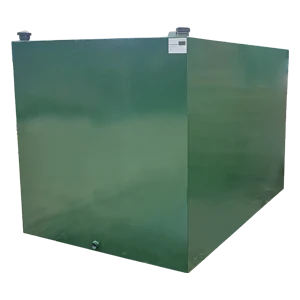
If you have a steel oil tank, rust is one of the main signs to watch for. Surface rust may not always mean immediate failure, but corrosion can weaken the tank over time.
Pay particular attention to seams, supports, pipework and the lower areas of the tank where moisture may collect. Rust around fittings, legs or the base should not be ignored.
3. Oil Stains or Strong Oil Smells
Oil staining on the ground, around pipework, near valves or underneath the tank can indicate a leak. A strong smell of oil can also be a warning sign, even if you cannot see visible liquid.
If you suspect a leak, do not wait. Heating oil leaks can damage soil, property and drainage areas, and clean-up costs can become significant if the issue spreads.
4. An Unstable or Damaged Base
Your oil tank should sit on a solid, level and stable base. If the base is cracked, sinking, leaning or uneven, the tank may become stressed over time.
An unstable base can put pressure on the tank structure and connected pipework. This is especially important for larger domestic oil tanks, where the weight of stored fuel can be substantial.
5. Overgrown Plants Around the Tank
Plants, weeds and shrubs can make it harder to inspect the tank properly. They can also trap moisture, hide leaks and restrict access for deliveries or servicing.
Keep the area around your tank clear so you can see all sides easily. Clear access also helps engineers, delivery drivers and inspection professionals work safely.
6. Damaged Caps, Vents or Fittings
Check that caps, vents, gauges and visible pipework appear secure and undamaged. These parts help protect the tank and support safe operation.
Never block a vent pipe or make changes to tank fittings yourself. If something looks damaged, loose or missing, ask a qualified professional to inspect it.
How Often Should You Check a Heating Oil Tank?
Homeowners should visually check their heating oil tank regularly throughout the year, not just in winter. A simple check every month is a sensible habit, especially after bad weather, deliveries or long periods of heavy use.
A more detailed inspection should also be arranged if:
- Your tank is old
- You notice cracks, rust, staining or bulging
- The tank base looks unstable
- You can smell oil near the tank
- Your oil level seems to be dropping faster than expected
- You are planning to sell or renovate your property
- You have not had the tank checked for a long time
Summer is also a useful time to review your heating oil usage. If your fuel level is much lower than expected, or your consumption has changed without an obvious reason, it may be worth investigating. The Certas Energy guide to monitoring your heating oil usage explains how keeping track of usage can help households manage supply and spot unusual changes.
Why Delaying an Oil Tank Inspection Can Cost More
It can be tempting to leave oil tank checks until autumn, but delaying can create unnecessary risk. Once colder weather arrives, demand for heating oil, servicing and tank replacement can increase. That can make it harder to arrange help quickly.
Leaving a damaged oil tank unchecked may lead to:
- More expensive repairs
- Emergency tank replacement
- Oil loss
- Heating disruption
- Environmental damage
- Property contamination
- Delivery problems if the tank is considered unsafe
A summer inspection helps you avoid making rushed decisions when your home heating is needed most.
Should You Repair or Replace Your Oil Tank?
Whether you need a repair or replacement depends on the age, condition and type of tank. Some minor issues with fittings or surrounding access may be simple to deal with. However, structural damage to the tank itself should always be taken seriously.
You may need to consider replacing your oil tank if:
- The tank is cracked, split or bulging
- There is visible oil leakage
- A steel tank has significant corrosion
- The base is no longer supporting the tank safely
- The tank no longer meets your household needs
- The tank is old and showing multiple signs of wear
- You want to upgrade to a bunded oil tank for added protection
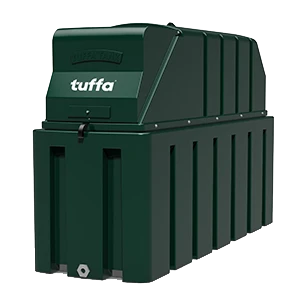
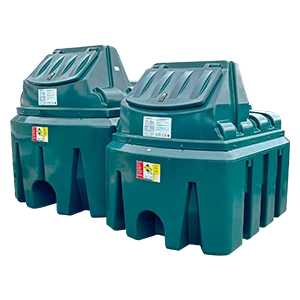
A bunded oil tank is designed with secondary containment, helping provide an extra layer of protection if the inner tank fails. For many UK homeowners, upgrading to a bunded tank can offer added peace of mind, especially when replacing an older single skin tank.
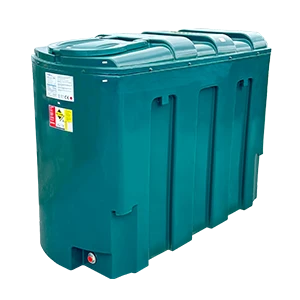
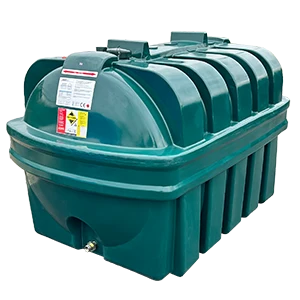
If you are comparing replacement options, you can browse the full range of oil tanks available from Oil Tank Supermarket.
Oil Tank Summer Checklist for Homeowners
Use this quick checklist when inspecting your heating oil tank during summer:
- Clear weeds, plants and clutter from around the tank
- Check the tank body for cracks, bulging, dents or distortion
- Look for rust or corrosion on steel tanks
- Check for oil stains on the ground
- Notice any strong oil smells
- Make sure the base looks level, solid and stable
- Check visible pipework and fittings for damage
- Confirm the tank area is accessible for deliveries
- Monitor your oil level and usage
- Arrange professional help if anything looks unsafe
For additional official safety advice, GOV.UK encourages homeowners to check their heating oil tanks and pipework regularly. You can read the government guidance here: check your heating oil tank.
When Should You Get Professional Advice?
A basic visual check is useful, but it does not replace professional assessment. You should seek expert help if you notice leaking oil, serious corrosion, cracks, bulging, unstable supports or any issue you are unsure about.
You should also avoid trying to patch, seal or modify a damaged oil tank yourself. Temporary fixes may hide the problem without solving it properly, and a poor repair can increase the risk of future failure.
If your tank looks unsafe, stop using it until you have received proper advice. If you are considering a replacement, it is better to act early while you still have time to choose the right tank for your home.
Get Your Heating Oil Tank Ready Before Winter
Checking your heating oil tank in summer is a simple step that can make a big difference later in the year. By inspecting the tank body, base, fittings and surrounding area, you can spot early warning signs before they become urgent problems.
A well-maintained oil tank helps protect your home, your fuel supply and the environment. It also gives you more control, allowing you to plan ahead rather than react under pressure once temperatures drop.
If your current tank is damaged, ageing or no longer suitable, Oil Tank Supermarket offers a range of domestic and commercial oil tank options to suit different property needs. Explore our oil tank range or contact Oil Tank Supermarket for guidance on choosing the right replacement.

Share This: