
How to Decommission Your Old Heating Oil Tank Safely
How to Decommission an Old Heating Oil Tank Safely
If you have an old or unused heating oil tank at home, removing it is not a job to rush or handle casually. A domestic heating oil tank can contain leftover fuel, sludge, and contaminants that create safety risks if the tank is disconnected, cut, moved, or disposed of incorrectly. The right approach protects your property, helps prevent pollution, and makes sure the removal process is handled responsibly. Guidance from the Environment Agency also stresses that leaking or damaged domestic heating oil tanks can cause costly environmental problems, and homeowners may face action if oil pollutes land or water.
Whether you are replacing an ageing tank, renovating your property, or switching to a different heating system, understanding the correct heating oil tank removal process is essential. In this guide, we explain when oil tank decommissioning is needed, what the removal process involves, and why professional oil tank disposal is the safest option for UK homeowners. The overall process described here closely matches current specialist guidance, including draining the tank, removing sludge, cleaning it thoroughly, disconnecting pipework, then arranging lawful disposal or recycling.
When is heating oil tank decommissioning required?
There are several common situations where an old heating oil tank needs to be decommissioned or removed.
The first is tank replacement. If your existing tank is ageing, damaged, or no longer meets current installation expectations, it often makes more sense to replace it rather than risk future leaks or failures. Annual inspection is recommended for domestic oil storage, and the person inspecting your tank should advise when replacement is needed.
The second is property renovation or landscaping work. If building works affect the area around the tank, removal or relocation may be necessary to create safe access or allow new layouts.
The third is switching to another heating system. If your home is moving away from oil heating, your old tank should not simply be left in place full of residue. An unused heating oil tank can still become a hazard over time if it deteriorates, leaks, or is forgotten about. Specialist removal and cleaning is widely recommended for redundant domestic heating oil tanks.
Why proper oil tank removal matters
Many homeowners assume that once the oil level is low, an old tank can simply be disconnected and taken away. In reality, that can create significant risk.
Even a tank that appears empty may still contain usable oil, sludge, vapours, or internal contamination. If that material escapes into the surrounding ground, the clean-up can become expensive and disruptive. Government and environmental guidance is clear that oil spills can contaminate soil and water, and specialist contractors are usually required to deal with the aftermath properly.
There is also a legal and compliance side to think about. Domestic oil storage is subject to safety and pollution prevention rules, and if your property still uses oil heating after replacement, the new installation must comply with relevant siting and fire separation guidance. OFTEC’s domestic oil storage guide also highlights key separation distances and fire protection measures for replacement tanks.
The safe process for domestic oil tank removal
1. Assess the tank and site access
A professional contractor will usually begin by inspecting the condition of the tank, the amount of oil left inside, the surrounding ground, and site access. This helps determine whether the tank can be removed in one piece or whether it needs to be dismantled on site. Updated removal guidance notes that some tanks can be craned away whole, while others may need cutting up safely if access is restricted.
2. Remove the remaining heating oil
Before the tank can be taken out, any remaining heating oil should be professionally extracted. This is one of the most important stages because it reduces the risk of spills during removal and allows the inside of the tank to be cleaned properly. Current UK guidance also recommends using professional fuel removal services for leftover domestic heating oil rather than attempting disposal yourself.
3. Clear sludge and internal residue
Old tanks often build up sludge over time. This waste material can sit at the bottom of the tank and may contain water, sediment, and fuel residue. It needs to be removed carefully before the tank is classed as safe for handling or disposal. Cleaning and waste handling should be completed by trained specialists using the proper equipment.
4. Disconnect the heating oil tank from pipework
Once the fuel and sludge are removed, the tank can be disconnected from associated lines and fittings. This should be done methodically to prevent any trapped oil from escaping into the surrounding area.
5. Clean, dismantle, and remove the tank
After cleaning, the tank is removed from the property. In some cases this is straightforward. In others, especially with older steel tanks or awkward access, the tank may need to be dismantled on site using appropriate methods. Updated guidance from specialist removal providers describes both whole-tank removal and safe cutting methods depending on tank material and access conditions.
6. Arrange legal oil tank disposal or recycling
The final stage is responsible disposal. A domestic heating oil tank should be taken to an approved recycling or waste handling facility, not abandoned, broken up casually, or sent through unsuitable disposal routes. Specialist providers also commonly issue disposal paperwork or waste transfer documentation once the process is complete.
Can you dispose of an old heating oil tank yourself?
In most cases, it is far safer to use experienced professionals.
The combination of leftover oil, sludge, vapours, heavy tank materials, and environmental risk means DIY removal can quickly become messy and expensive. Official guidance on domestic oil storage and spills also makes clear that oil pollution incidents should not be cleaned up casually by homeowners, especially where land or water contamination may be involved.
For many households, the most sensible option is to use a specialist service that can manage the full process from fuel uplift and tank cleaning through to removal and disposal.
What happens after the old tank is removed?
If you are replacing the tank rather than moving away from oil heating entirely, the next step is choosing a suitable replacement that fits your property, fuel usage, and current regulations. That may involve selecting the right capacity, deciding between single skin and bunded models where appropriate, and checking siting requirements for the new installation. OFTEC’s domestic guide and GOV.UK oil storage guidance both point to fire separation, inspections, and pollution prevention as core considerations.
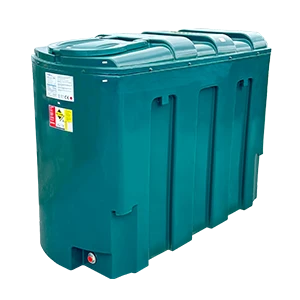
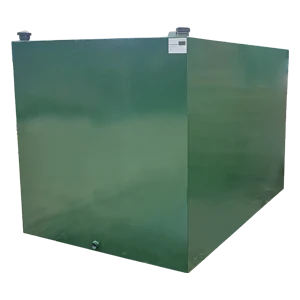
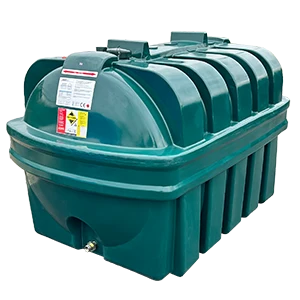
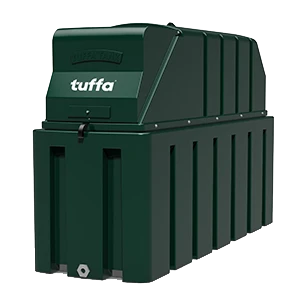
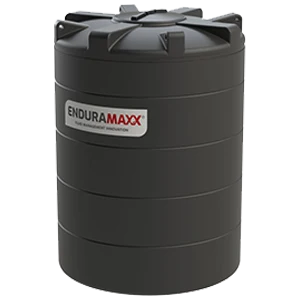
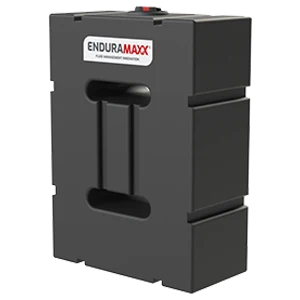
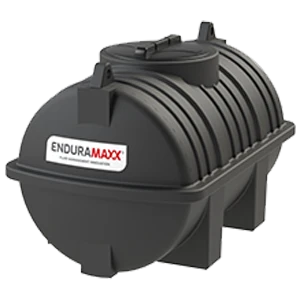
If you are currently comparing options, you can browse our full range of oil tanks to find a suitable replacement for your property.
Get help with heating oil tank removal and replacement
If you are unsure what condition your existing tank is in, or you know it is time to remove and replace it, getting expert advice early can save a lot of hassle later. A proper assessment can help you understand whether your tank can be safely retained, needs replacing soon, or should be removed as part of a wider property upgrade.
For extra reading on the removal process, see this guide from BoilerJuice on oil tank removal and disposal and this article from Certas Energy on how to dispose of home heating oil safely, both of which reinforce the importance of professional draining, cleaning, and lawful disposal.
You can also visit Oil Tank Supermarket to explore replacement tank options and get guidance on the next step for your property.
Final thoughts
Old heating oil tank removal is one of those jobs that is easy to underestimate until you look at what is actually involved. From residual oil and sludge to pollution prevention and safe disposal, every stage needs to be handled properly. A well-managed heating oil tank decommissioning process reduces environmental risk, protects your property, and gives you peace of mind that the tank has been removed responsibly. Current UK guidance consistently points in the same direction: inspect tanks regularly, deal with leaks and damage quickly, and use qualified professionals when a tank needs to be emptied, removed, or replaced.
It is also worth remembering that leaving an old, damaged, or unused tank in place can create bigger issues over time. Small problems can quickly turn into expensive ones if leaks develop or contamination goes unnoticed. Acting early not only helps you avoid unnecessary repair costs, but also makes the whole process more straightforward and less stressful. Whether you are upgrading to a newer tank, renovating your property, or moving away from oil heating altogether, proper decommissioning is the safest and most responsible way forward.
If your existing heating oil tank is outdated, damaged, or no longer needed, now is the right time to deal with it before a minor issue turns into a more costly and disruptive problem. Replacing an ageing tank can help protect your property, reduce the risk of leaks or environmental damage, and give you greater confidence that your heating system is safe, compliant, and built for long-term reliability. Whether you are removing an old heating oil tank as part of a property upgrade, switching to a new system, or simply planning ahead before problems arise, taking action early is always the smarter option.
At Oil Tank Supermarket, we offer a wide range of high-quality oil tanks to suit different property types, storage requirements, and installation needs. Whether you are looking for a practical replacement tank or exploring the best option for a full upgrade, our range is designed to help UK homeowners find a safe and dependable solution. Visit Oil Tank Supermarket today to explore our oil tank range, compare your options, and take the next step towards a safer, more efficient heating setup for your home.

Share This: