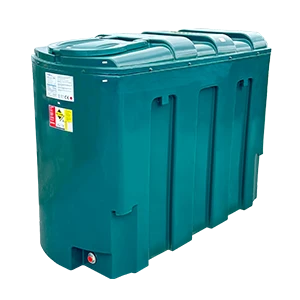

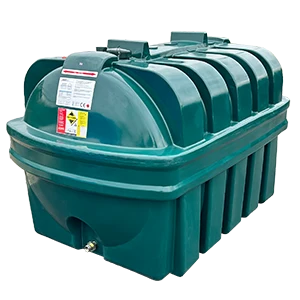
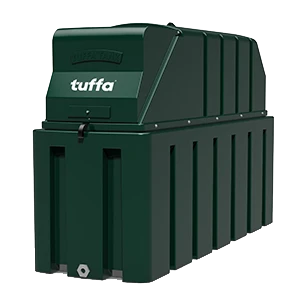


Understanding Bunded vs Single Skin Oil Tanks
Bunded vs Single Skin Oil Tanks: A Complete UK Buyer’s Guide
Choosing the right oil tank is one of the most important decisions for homeowners, farmers, and businesses that rely on heating oil. Not only does the correct tank ensure a reliable fuel supply, but it also plays a critical role in environmental protection, safety, insurance compliance, and long-term costs.
One of the most common questions we hear at Oil Tank Supermarket is:
“Should I choose a bunded oil tank or a single skin oil tank?”
While both options are widely available, they serve different purposes and are subject to different UK regulations. In this comprehensive guide, we’ll explore the key differences between bunded and single skin oil tanks, explain when each type is suitable, and help you decide which is best for your property.
What Is an Oil Tank and Why Does It Matter?
An oil tank is used to store heating oil for domestic or commercial use, typically supplying oil-fired boilers, heaters, or generators. Because heating oil is a pollutant, incorrect storage can lead to serious environmental damage, expensive clean-up costs, and legal consequences.
UK regulations around oil storage exist to minimise these risks, which is why the type of oil tank you choose is so important.
At Oil Tank Supermarket, we stock a wide range of oil tanks for every requirement, including domestic, agricultural, and commercial solutions.
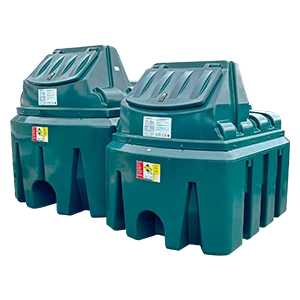
What Is a Bunded Oil Tank?
A bunded oil tank is designed with two layers of protection:
-
An inner tank that holds the oil
-
An outer containment shell (bund) that captures leaks or spills
This secondary layer ensures that if the inner tank fails, oil is contained safely within the outer bund rather than leaking into the surrounding environment.
Because of this added protection, bunded oil tanks are widely regarded as the safest and most compliant oil storage solution in the UK.
Are Bunded Oil Tanks Required by Law?
In many situations, yes. UK regulations often require bunded oil tanks when:
-
The tank is located near a watercourse, drain, or well
-
The tank capacity exceeds certain limits
-
The installation is commercial or agricultural
-
A spill could cause environmental harm
Tuffa provides a clear breakdown of when bunded oil tanks are required in the UK:
https://www.tuffa.co.uk/do-i-need-a-bunded-oil-tank/
Benefits of Bunded Oil Tanks
-
Enhanced environmental protection
-
Compliance with UK oil storage regulations
-
Reduced risk of pollution and fines
-
Often preferred or required by insurers
-
Greater long-term peace of mind
You can browse a wide selection of bunded oil tanks suitable for domestic and commercial use on our website.
What Is a Single Skin Oil Tank?
A single skin oil tank consists of a single wall that directly stores oil, without secondary containment. These tanks are typically more affordable and have been commonly used in the past for domestic oil storage.
While single skin tanks can still be suitable in certain low-risk locations, they offer less protection against leaks and spills, which has led to stricter controls on where they can be installed.
When Are Single Skin Oil Tanks Allowed?
Single skin oil tanks may be acceptable if:
-
The tank is located far from water sources
-
The capacity is relatively small
-
Environmental risk is minimal
-
Local regulations permit installation
You can view our current range of single skin oil tanks here.
Benefits of Single Skin Oil Tanks
-
Lower upfront purchase cost
-
Simple installation
-
Compact design, ideal for tight spaces
However, it’s important to weigh these benefits against the increased risk and potential long-term costs.
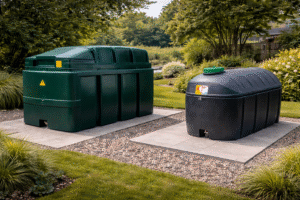
Bunded vs Single Skin Oil Tanks: Key Differences Explained
The primary difference between bunded and single skin oil tanks comes down to safety, compliance, and risk management.
Industry comparisons, such as this in-depth guide from Carnegie Fuels, highlight why bunded tanks are increasingly recommended for most installations:
https://carnegiefuels.co.uk/bunded-single-skin-oil-tank-which-is-best/
Safety and Environmental Protection
-
Bunded tanks provide spill containment
-
Single skin tanks rely entirely on one wall
Legal Compliance
-
Bunded tanks are often mandatory
-
Single skin tanks are only allowed in limited scenarios
Insurance Considerations
-
Many insurers prefer or require bunded tanks
-
Single skin tanks may increase premiums or exclusions
Long-Term Costs
-
Bunded tanks cost more upfront but reduce risk
-
Single skin tanks may result in higher long-term expenses if leaks occur
Pros and Cons Breakdown
Bunded Oil Tanks
Pros
-
Highest level of protection
-
UK regulation compliant
-
Environmentally responsible
-
Suitable for domestic, agricultural, and commercial use
Cons
-
Higher initial purchase cost
-
Slightly larger footprint
Single Skin Oil Tanks
Pros
-
More affordable initially
-
Easier to install
Cons
-
Increased risk of oil spills
-
Restricted installation locations
-
Potential insurance complications
Which Oil Tank Is Best for Your Property?
Choosing the right oil tank depends on several factors:
Choose a Bunded Oil Tank If:
-
Your tank is near a drain, river, or well
-
You store large volumes of oil
-
You want maximum safety and compliance
-
You’re installing oil storage for a business or farm
Choose a Single Skin Oil Tank If:
-
You have limited space
-
Regulations allow it
-
Environmental risk is low
-
Budget is the primary concern
If you’re unsure, browsing all available options can help you compare tank sizes, materials, and designs in one place:
https://www.oiltanksupermarket.co.uk/product-category/oil-tanks/
Installation, Maintenance, and Best Practices
Regardless of which oil tank you choose, proper installation and maintenance are essential.
Installation Tips
-
Always follow manufacturer guidelines
-
Use a qualified installer
-
Ensure stable, level ground
-
Allow adequate access for deliveries
Maintenance Tips
-
Visually inspect tanks regularly
-
Keep tanks clear of debris and vegetation
-
Monitor for signs of corrosion or damage
-
Check bund integrity on bunded tanks
Preventative maintenance can significantly extend the lifespan of your oil tank and reduce the risk of costly issues.
Final Thoughts: Making the Right Oil Tank Choice
Choosing between a bunded oil tank and a single skin oil tank is about more than price — it’s about protecting your property, the environment, and your peace of mind.
While single skin tanks can still be suitable in limited situations, bunded oil tanks are increasingly the preferred option thanks to their superior safety, compliance with UK regulations, and long-term value.
At Oil Tank Supermarket, we stock a comprehensive range of oil tanks to suit every requirement, backed by expert advice to help you make the right decision.
Ready to choose the right oil tank?
Explore our full range of bunded and single skin oil tanks today and invest in safe, compliant oil storage you can trust.

Share This: