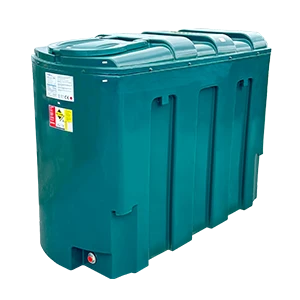

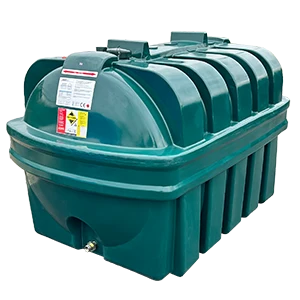
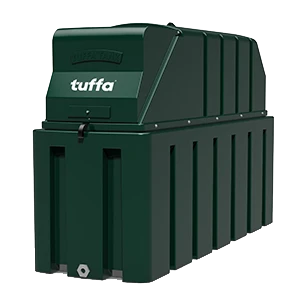




Is It Possible to Move a Bunded Oil Tank?
Can You Move a Bunded Oil Tank? Legal, Safety & Installation Guide (UK)
Relocating a bunded oil tank may seem like a major undertaking, but in many cases it is entirely possible when done correctly. Whether you’re redesigning your garden, extending your property, or addressing safety or compliance concerns, understanding the legal requirements and best practices is essential.
In this guide, we explain whether a bunded oil tank can be moved, the regulations you must follow, and the safest way to handle the relocation. We’ll also cover when professional assistance is required and what to do after the tank has been moved.
Can a Bunded Oil Tank Be Moved?
Yes, a bunded oil tank can usually be moved, but several important factors must be considered before any work begins.
These include:
-
Current UK building and environmental regulations
-
The condition and age of the tank
-
Whether the tank contains heating oil at the time of the move
-
Access to the new location
Industry guidance confirms that relocating an oil tank is feasible, but it must be carefully planned to avoid environmental damage or safety risks. Similar guidance can be found from fuel and tank specialists such as Marandola Fuel
https://www.marandolafuel.com/move-heating-oil-tank/
Legal & Regulatory Considerations in the UK
Before moving a bunded oil tank, you must ensure compliance with UK regulations, including building regulations and environmental protection standards.
Key considerations include:
Building Regulations & OFTEC Standards
The new tank location must meet current OFTEC guidelines, including:
-
Minimum distances from buildings, boundaries, and watercourses
-
A suitable, non-combustible base
-
Safe access for oil deliveries
Environmental Protection
Bunded tanks are designed to reduce pollution risk, but moving them incorrectly can still cause oil leaks or soil contamination. In some cases, a site assessment may be recommended, especially if the tank is being repositioned near drains or water sources.
Further insight into what happens when an oil tank needs relocating can be found here
https://www.ct-tanks.com/news/article/what-happens-if-i-need-to-move-my-oil-tank
Inform Your Oil Supplier Before Moving the Tank
It’s essential to notify your oil supplier before relocating your tank. They may:
-
Advise whether the tank must be emptied first
-
Confirm access requirements for future deliveries
-
Recommend inspections after reinstallation
Failing to inform your supplier could result in delivery issues or safety concerns later on.
Reinstallation Requirements: Getting the Location Right
When reinstalling a bunded oil tank, the new position must meet all current standards—even if the tank itself is older.
Important requirements include:
-
A level, load-bearing base (typically concrete or paving slabs)
-
Correct separation distances from buildings and boundaries
-
Adequate ventilation and visibility for inspection
Using a qualified OFTEC-registered technician is strongly recommended. This ensures the relocation is compliant, safe, and correctly documented.
If you’re considering upgrading during the move, exploring modern bunded oil tanks designed for current regulations may be worthwhile
https://www.oiltanksupermarket.co.uk/product-category/bunded-oil-tanks/
Safely Transporting a Bunded Oil Tank
Transporting a large oil tank is not a DIY task.
Best practices include:
-
Professional removal and lifting equipment, such as cranes or specialist vehicles
-
Ensuring the tank is fully emptied and cleaned before transport
-
Securing the tank correctly to prevent movement or structural damage
Professional handling significantly reduces the risk of spills, injuries, or damage to the tank’s bunded structure.
After the Move: Insurance & Local Authority Updates
Once your bunded oil tank has been relocated, don’t forget these final steps:
Update Your Insurance
Inform your home insurance provider about the new tank location to ensure continued coverage.
Update Local Records
In some cases, local authority records may need updating, particularly if the tank’s position affects environmental risk assessments or property documentation.
Conclusion: Moving a Bunded Oil Tank Safely & Legally
Relocating a bunded oil tank is entirely possible when approached correctly. By understanding UK regulations, notifying the right parties, and using qualified professionals, you can ensure a safe, compliant, and stress-free move.
Whether you’re repositioning an existing tank or considering an upgrade to meet modern standards, expert guidance and quality products make all the difference.
For trusted advice, compliant tanks, and installation resources, visit Oil Tank Supermarket.

Share This: