
Can a Bunded Oil Tank Really Explode?
Contents
Can a Bunded Oil Tank Explode?
Lots of folks ask: “Can a bunded oil tank explode?” Given oil’s flammability, that worry makes sense. But bunded tanks are built with safety in mind, and many features work together to make explosions extremely rare. In this blog we’ll explain how bunded tanks protect you, what can go wrong, and how maintenance and installation keep things safe. If you’re looking for peace of mind around your oil storage setup, read on.
What Is a Bunded Oil Tank?
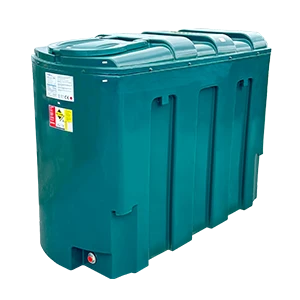
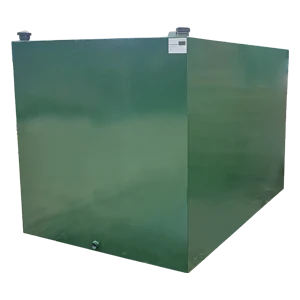
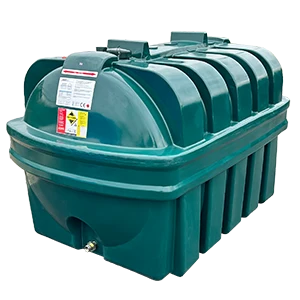
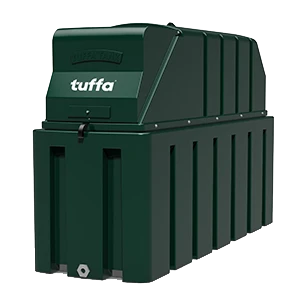
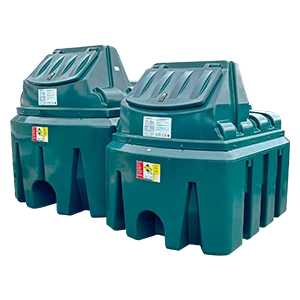
A bunded oil tank has two layers: an inner tank that holds oil and an outer “bund” (a secondary containment) that captures leaks or spills. This design dramatically reduces risk of environmental contamination and provides a safety buffer in case of tank failure.
Safety Features of Bunded Tanks
These are the built-in systems and design elements that reduce risk:
- Dual-wall design: The inner tank stores the oil; the bund holds any oil that might escape.
- Pressure-relief or vent valves: These prevent pressure build-up from thermal expansion or heat exposure, which could otherwise damage or rupture the tank.
- Quality materials: Bunded tanks use thick, resistant materials that handle changes in temperature and weather.
- Inspection points & safety fittings: Sight gauges, leak detection mechanisms, and secure filler caps all help notice problems early.
- Design standards & regulations: UK law (via Environment Agency guidance) requires standards for storage containers, positioning, secondary containment, and drip trays to prevent incidents. For example, the guidance “Oil storage regulations for home or business” covers requirements for design and secondary containment. (gov.uk oil storage regulations)
Causes of Oil Tank Explosions (Rare but Understandable)
Though rare, explosions can happen if multiple safety layers fail. Common causes include:
- Poor maintenance: Rust, corrosion, degraded seals or fittings that allow leaks or vapours to collect.
- Overheating or thermal stress: If tanks are exposed to excessive radiant heat or direct flame, expansion can raise internal pressures without adequate relief.
- Ignition sources near leaks/vapour: Any spark, overheating surface, or electrical fault close to a vapour release is dangerous.
- Tampering or improper modifications: Adding unauthorized fittings or altering safety valves can compromise integrity.
How UK Guidance Minimises Explosion Risk
Regulatory & best-practice frameworks are designed to make sure that the above failure modes almost never result in disaster:
- HSE’s “The storage of flammable liquids in tanks (HSG176)” gives guidance on how fixed tanks should be constructed, maintained, and sited to prevent explosion and fire risk. (HSE HSG176 guidance)
- NetRegs’ “Above ground oil storage tanks: GPP 2” lays out pollution prevention guidelines for domestic and commercial installations, helping reduce risk from leaks or vapours that might otherwise accumulate. (NetRegs GPP2 guidance)
Maximising Safety with Proper Installation and Maintenance
Safety isn’t just about design—it’s about how you use and maintain the tank:
- Always use a certified installer and follow current legal standards.
- Schedule regular inspections: check for rust, wear, leaks, seal damage, and ensure vents/valves work.
- Make sure safety features like relief valves and bund secondary containment are in good condition.
- Educate everyone who interacts with the tank about safe behaviour (no smoking, no open flames nearby, proper filler use).
You can see full details of how bunded tanks work and how to spot early warning signs via our Bunded Oil Tank Guide.
Conclusion: Are Explosions a Real Risk?
In short: yes, the risk exists, but for bunded tanks that are properly built, installed, and maintained, explosion is extremely unlikely. Key safety features—dual layers, relieve valves, legal siting, regular checks—constitute many safeguards. If you prioritise those, you can trust bunded oil tanks to be safe in domestic or commercial settings.
If you’re considering buying or installing a bunded tank, explore our Oil Tank Product Range to see models built to current safety standards.

Share This: