

The Hidden Downsides of Air Source Heat Pumps for UK Homes
The Hidden Downsides of Air Source Heat Pumps for UK Homes
Air source heat pumps are often presented as the future of home heating in the UK. With more homeowners being encouraged to consider lower-carbon heating systems, it is easy to see why heat pumps have become such a widely discussed option.
For some properties, they can work well. Modern, well-insulated homes with the right radiator setup or underfloor heating may be suitable for an air source heat pump system. However, the reality is not always as simple as the headlines suggest.
For many UK homeowners, especially those living in older, larger or rural properties, the move to a heat pump can come with unexpected costs, performance issues and practical challenges. Before replacing an existing oil heating system, it is important to understand the potential drawbacks clearly.
Installation Costs Can Be Much Higher Than Expected
One of the biggest concerns with air source heat pumps is the upfront cost. While grants and running cost claims are often highlighted, the total cost of making a property heat-pump-ready can quickly rise.
A heat pump installation is not always a straightforward boiler replacement. In many cases, additional work may be needed before the system can perform properly. This could include:
- Larger radiators
- New or upgraded pipework
- A hot water cylinder
- Electrical upgrades
- Insulation improvements
- Changes to the overall heating system design
These added costs are one of the most commonly discussed disadvantages of air source heat pumps, especially in properties where remedial work is needed before the system can operate efficiently.
For older rural homes, larger detached properties or homes with poor insulation, the full cost can become significantly higher than many homeowners first expect. Once all the additional work is included, the final figure can easily run into many thousands of pounds.
This is one reason why some households choose to continue with oil heating, particularly where the existing system, oil tank and heating infrastructure are already in place.
Older Homes Are Not Always Suited to Heat Pumps
Air source heat pumps are designed to work most efficiently at lower flow temperatures over longer periods. Rather than producing a quick burst of strong heat like a traditional boiler, they usually work by maintaining a steadier level of warmth throughout the day.
This can be effective in properties that are built or upgraded for this type of system, such as:
- New-build homes
- Well-insulated properties
- Homes with underfloor heating
- Properties with large radiators
- Homes with low heat loss
The challenge is that many UK properties, particularly rural homes, were not built with this type of heating system in mind. Stone-built cottages, older farmhouses, period homes and larger detached houses can be harder to heat efficiently, especially during colder weather.
Cold-weather performance is often raised as one of the key disadvantages of an air source heat pump, as efficiency can reduce when outdoor temperatures drop and the system has to work harder to maintain indoor comfort.
Common complaints from homeowners include slow heat-up times, rooms not feeling warm enough, cold spots and higher electricity use during winter. For households used to the faster, stronger heat output of an oil boiler, the difference can be noticeable.
Hot Water Can Become a Practical Issue
Another point that is sometimes overlooked is hot water performance.
Traditional oil-fired heating systems are often valued for their ability to provide strong heating and reliable hot water, especially in larger family homes. With heat pumps, hot water production can work differently depending on the system design.
Some homeowners report issues such as:
- Slower hot water recovery
- Lower hot water temperatures
- Heating pausing while hot water is prioritised
- Greater reliance on immersion heaters
- Reduced convenience in homes with high hot water demand
This can become more noticeable in larger households, especially where multiple bathrooms, baths, showers and regular hot water use are part of daily life.
Heat pumps can provide hot water, but the system must be carefully designed around the property and the household’s real usage. If it is not, the results may fall short of expectations.
The Quality of the Installation Makes a Huge Difference
Air source heat pumps are highly dependent on correct design and installation. Unlike a simple like-for-like boiler replacement, a heat pump system needs detailed planning before it is fitted.
A good installation should include accurate heat-loss calculations, correct unit sizing, radiator checks, insulation assessment and careful system balancing.
If the system is undersized or poorly specified, it may struggle to keep the property warm during colder weather. This can lead to higher running costs, poor comfort levels and frustration for the homeowner.
Important installation factors include:
- Correct heat pump sizing
- Radiator suitability
- Property insulation
- Flow temperature settings
- Hot water demand
- Overall system design
This is one of the reasons heat pumps can deliver very different results from one home to another. A system that works well in a modern insulated property may not perform the same way in an older rural home.
Why Oil Heating Still Works Well for Many Rural Properties
For homes that are not connected to mains gas, oil heating remains a practical and reliable option. Many rural households already have the tank, boiler and pipework infrastructure in place, making replacement or upgrades far simpler than a full heating system conversion.
Modern oil boilers are also far more efficient than many older systems, and they remain well suited to properties that require stronger heat output and reliable hot water.
Oil heating can offer several practical benefits, including:
- Strong performance in cold weather
- Fast heat-up times
- Reliable hot water supply
- Compatibility with many existing radiators
- Lower disruption during replacement
- Familiar servicing and maintenance
- Suitability for larger rural homes
For homeowners who already use heating oil, upgrading or replacing an oil tank can also help keep the system safe, compliant and ready for continued use.
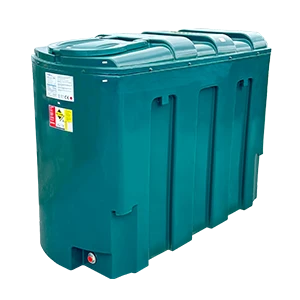
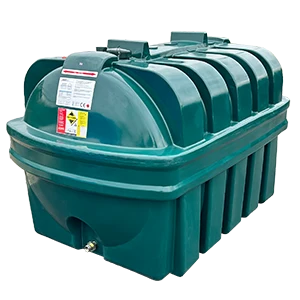
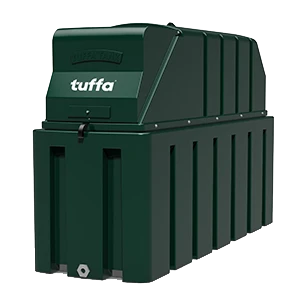
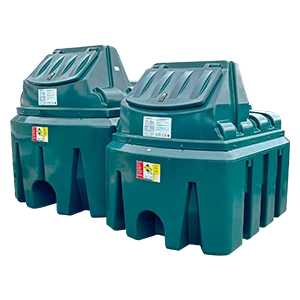
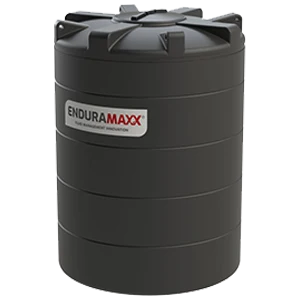
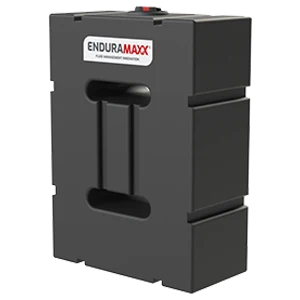
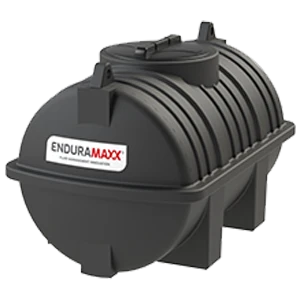
At Oil Tank Supermarket, we supply a wide range of domestic and commercial oil tanks for UK properties. Whether you are replacing an older tank, upgrading to a bunded oil tank or improving your existing heating setup, you can explore our full range of oil tanks online.
Heat Pumps Are Not the Right Answer for Every Home
Air source heat pumps can be a suitable option for some households, but they are not a perfect fit for every property.
Before making the switch, homeowners should think carefully about:
- The age and construction of the property
- Insulation levels
- Existing radiator sizes
- Hot water demand
- Total installation costs
- Winter heating performance
- Long-term running costs
- Disruption during installation
For modern, well-insulated homes, a heat pump may be worth considering. But for many older, larger or off-grid homes, oil heating can still offer a reliable and cost-effective solution.
Final Thoughts
The decision to move away from oil heating should not be rushed. While air source heat pumps are widely promoted, homeowners need to look beyond the initial claims and consider how the system will perform in their specific property.
For many rural UK households, oil heating continues to provide dependable warmth, strong hot water performance and a practical setup that already suits the home.
If your current oil tank is old, damaged or no longer suitable, replacing it may be a more straightforward option than completely changing your heating system. Visit Oil Tank Supermarket to browse oil tanks for UK homes and find a suitable replacement for your property.

Share This: