
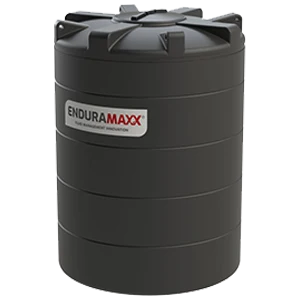
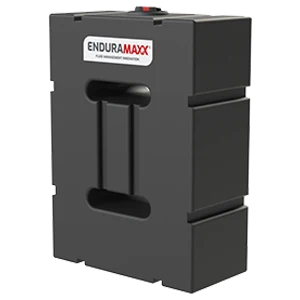
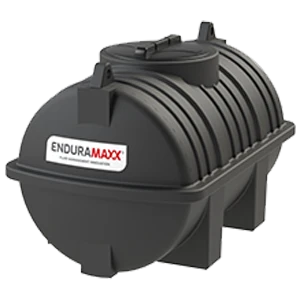
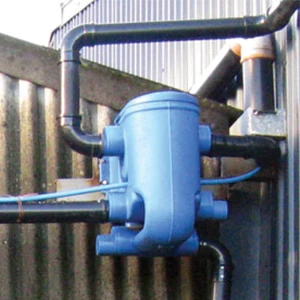


How Much Does a New Oil Tank Cost in the UK?
Contents
- How Much Does a New Oil Tank Cost in the UK? Full 2026 Installation Price Guide
- Average Oil Tank Replacement Cost in the UK
- Single Skin vs Bunded Oil Tank Prices
- Oil Tank Installation Costs Explained
- Factors That Affect Total Oil Tank Installation Cost
- Why Professional Installation Is Recommended
- Is Getting A New Oil Tank Worth the Cost?
- How to Keep Oil Tank Replacement Costs Under Control
- Final Thoughts: Budgeting for a New Oil Tank in 2026
How Much Does a New Oil Tank Cost in the UK? Full 2026 Installation Price Guide
If your current tank is ageing, leaking, or failing inspection, one question matters most:
How much does a new oil tank cost in the UK?
The honest answer is: it depends. Tank type, size, location, groundwork, and compliance requirements all influence the final figure. But understanding the breakdown helps you budget properly and avoid unexpected costs.
In this guide, we’ll cover:
Average new oil tank replacement cost
Single skin vs bunded new oil tank prices
Installation and labour charges
Removal and disposal costs
Factors that increase total price
When professional installation is essential
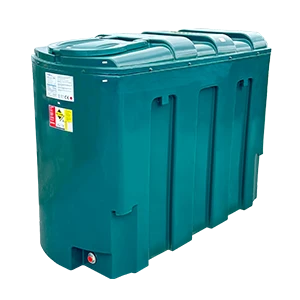
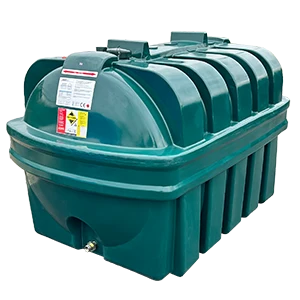
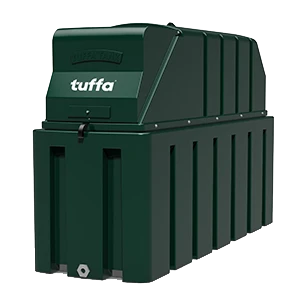
If you’re already comparing models, you can view our full range on our website.
Average Oil Tank Replacement Cost in the UK
For most UK homeowners, the total cost to replace a domestic oil tank falls between:
£1,200 and £3,500+
This usually includes:
The new oil tank itself
Professional installation
Base preparation
Basic pipework connections
Removal of the old tank
However, more complex installations can exceed this — particularly where access is difficult or additional compliance work is required.
Industry estimates from The Heating Hub suggest similar ranges depending on tank type and installation complexity.
Single Skin vs Bunded Oil Tank Prices
The biggest cost difference comes down to the type of tank you choose.
Single Skin Oil Tanks
Typical price: £700–£1,200 (tank only)
Basic single-layer construction
Lower upfront cost
Suitable only in limited, regulation-compliant situations
Single skin tanks are cheaper, but UK environmental regulations increasingly favour bunded systems for domestic oil storage.
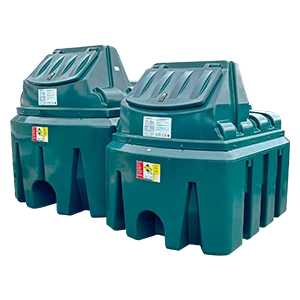
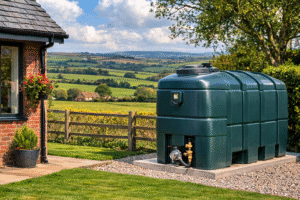
Bunded Oil Tanks
Typical price: £1,200–£3,000 (tank only, depending on size)
Double-layer design with built-in secondary containment
Compliant with most UK building regulations
Greater environmental protection
Most modern domestic installations now require or strongly recommend a bunded oil tank, particularly if the tank is close to a property boundary, watercourse, or building opening.
For a detailed cost breakdown example, Pro Line Direct also outlines replacement scenarios.
Oil Tank Installation Costs Explained
The tank itself is only part of the equation. Installation involves several additional elements.
Labour Costs
Professional installation typically ranges from:
£200 to £600
Costs increase if:
The old tank needs draining and safe disposal
Pipework requires upgrading
The tank location must be repositioned
Base Preparation
Oil tanks must sit on a solid, non-combustible base.
Common base costs:
Concrete slab: £200–£500
Precast slab adjustments: variable
New groundwork in soft soil: higher
An inadequate base can cause long-term structural issues, so this is not an area to cut corners.
Removal of the Old Tank
If replacing an existing tank, expect:
£100–£300 for removal and disposal
This depends on whether the tank still contains oil and how accessible it is.
Pipework & Safety Upgrades
Additional upgrades may include:
Fire valves
Oil line replacement
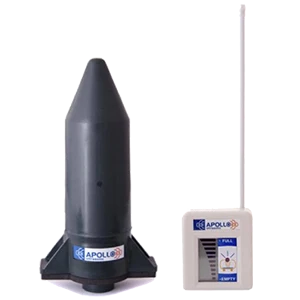
Tank alarms
Overfill prevention
Budget an extra £100–£400 if upgrades are required.
Factors That Affect Total Oil Tank Installation Cost
Here’s where pricing can shift significantly.
1. Tank Size
Larger tanks (e.g. 1,500L–2,500L) cost more to purchase and may require more substantial bases.
2. Accessibility
If installers need to:
Lift the tank over a wall
Use specialist lifting equipment
Navigate tight side access
Costs will increase.
3. Compliance Requirements
UK regulations dictate minimum distances from:
Property boundaries
Buildings
Openings such as windows or air vents
Watercourses
If your current tank no longer meets regulations, relocation may be required — adding to total costs.
4. Regional Labour Rates
Installation costs vary across the UK depending on local contractor rates.
Why Professional Installation Is Recommended
DIY oil tank installation may seem like a money-saving option, but it carries risk.
Professional installers ensure:
Compliance with building regulations
Proper siting and spacing
Correct base specification
Safe pipework connections
Environmental protection
Incorrect installation can invalidate insurance and potentially lead to costly environmental damage.
If you’re unsure what’s required for your property, contact our team for guidance we are always happy to help!
Is Getting A New Oil Tank Worth the Cost?
If your tank is:
Over 20 years old
Showing signs of bulging or cracking
Rusting (for steel tanks)
Failing inspection
Non-compliant with current regulations
Replacement is often the safer and more cost-effective long-term decision.
A leaking oil tank can result in:
Expensive environmental clean-up
Insurance complications
Heating disruption
Regulatory penalties
In comparison, proactive replacement provides peace of mind and protects your property value.
How to Keep Oil Tank Replacement Costs Under Control
Here are practical ways to manage your budget:
Choose the correct tank size for your usage
Ensure easy installer access where possible
Replace before emergency failure
Compare compliant bunded models carefully
Confirm whether groundwork is required in advance
Planning ahead prevents reactive, high-pressure decisions.
Final Thoughts: Budgeting for a New Oil Tank in 2026
So, how much does a new oil tank cost in the UK?
For most households, expect:
£1,200–£3,500 total installed cost
Higher for complex installations
Lower for straightforward replacements
While it’s a significant investment, a properly installed, regulation-compliant oil tank protects your home, heating system, and surrounding environment.
If you’re comparing new oil tank prices or planning a replacement, browse our full domestic range or speak to our team for tailored expert advice.

Share This: