
What Size Bunded Oil Tank Do I Need?
Choosing the right size bunded oil tank is one of the most important decisions you’ll make about your heating oil setup. Go too small and you risk frequent top-ups and running low at awkward times. Go too big and you may tie up unnecessary capital, take up valuable space or overcomplicate the installation. The sweet spot depends on how much oil you use, how much room you have and how often you want deliveries.
Whether you are heating a typical UK home or managing a small commercial site, a bit of upfront thinking makes it much easier to select a tank that feels practical instead of limiting. This guide walks through the key points to consider so you can match tank size to real-world usage rather than guesswork.
Understanding Your Likely Oil Consumption
The best starting point is to look at how much oil you actually use over a year. Many households fall somewhere between a few hundred and around fifteen hundred litres annually, depending on property size, insulation levels and how heavily they rely on oil for heating and hot water. Commercial sites can vary far more widely, with some small premises using similar amounts to a domestic property and larger operations needing several thousand litres or more.
If you are already using oil, previous delivery notes or invoices are a helpful indicator of your pattern. If you are new to oil heating, your installer or supplier can often provide a rough range based on property type and usage expectations. Government guidance on safe storage highlights why getting capacity right matters, particularly when you begin to store larger volumes on site:
https://www.gov.uk/oil-storage-regulations-and-safety
The aim isn’t to calculate usage to the exact litre, but to build a realistic picture so your tank size feels proportionate to your needs.
Balancing Available Space and Tank Style
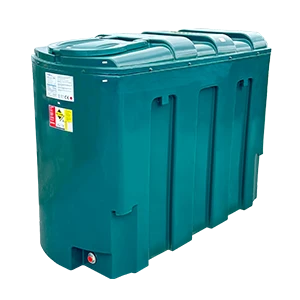
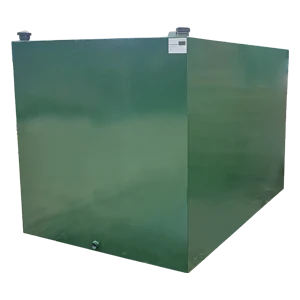
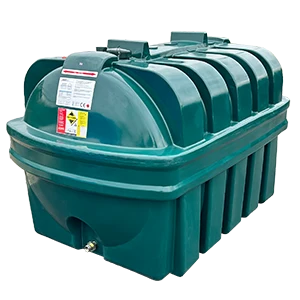
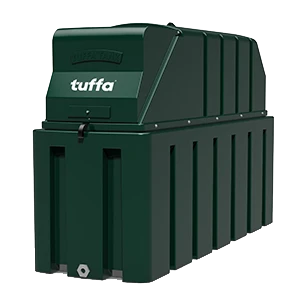
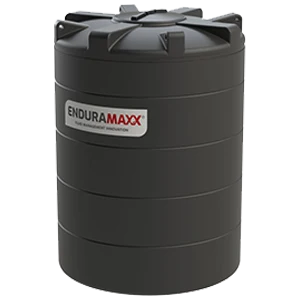
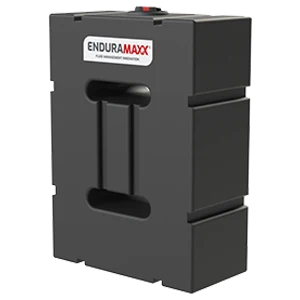
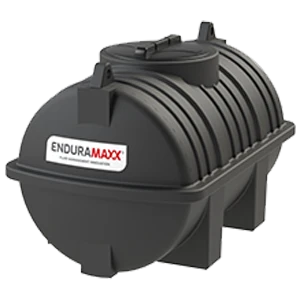
Once you have a feel for your likely consumption, the next question is where the tank will sit. Bunded oil tanks come in a variety of footprints and shapes, including standard and slimline models. A compact garden, narrow side return or tight access route may naturally steer you towards slimmer designs that tuck against a boundary or wall while still meeting clearance requirements.
The siting needs to respect local regulations and installer guidance. That means an appropriate base, safe distances from buildings and boundaries, and enough space for deliveries and maintenance. In awkward plots, a slightly smaller slimline tank can often be easier to position than a bulkier alternative.
If you want to see how different capacities and shapes might work around your property, you can browse the full range at
https://www.oiltanksupermarket.co.uk/product-category/oil-tanks/
How Refill Frequency Affects Ideal Tank Size
Some owners prefer to fill up once or twice a year, taking advantage of favourable prices when possible. Others prefer smaller, more regular top-ups so they never feel as though they have a large volume of oil sitting on site. Both approaches can work; the right choice depends on your budget, storage space and how closely you like to manage your deliveries.
A larger tank offers more flexibility in timing deliveries and may help you ride out price fluctuations, but it also requires more room and a higher upfront fill cost. A smaller one is easier to accommodate and cheaper to fill, but will need topping up more often. Thinking about your delivery preferences in advance helps you choose a capacity that fits your habits rather than forcing you to adjust later.
When Upsizing Makes Sense
If you frequently find yourself running low just before a delivery or regularly asking for emergency top-ups, that’s a clear sign your current capacity is under strain. Households that have extended their property, increased occupancy or made greater use of oil over time often benefit from stepping up a size.
Upsizing can also be sensible for rural sites where access is occasionally disrupted by weather or busy delivery schedules. Having a buffer means you can comfortably wait for the next convenient delivery slot rather than rushing to refill.
When a Slimmer, Smaller Tank Is the Better Option
Not every situation calls for a large-capacity tank. Smaller, well-insulated homes with modest heating loads may find that a compact tank is more than adequate. This is especially true for properties that have improved insulation or added supplementary heating such as stoves or heat pumps.
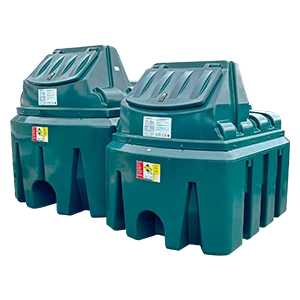
Space constraints can also make a smaller, slimline design the most practical option. The 1000 litre slimline plastic bunded oil tank is a good example of this type of solution, offering bunded protection in a footprint designed for tighter plots:
https://www.oiltanksupermarket.co.uk/product/1000-litre-slimline-plastic-bunded-oil-tank/
A smaller tank can still be highly efficient when matched correctly to actual consumption and supported by a sensible delivery routine.
Compliance, Maintenance and Planning Ahead
Whichever tank size you choose, safe storage and regular checks should always be part of the plan. Periodic visual inspections help you catch any early signs of wear and ensure that fittings, pipework and the bund remain in good condition. Public guidance on checking the condition of domestic oil tanks, such as that provided by nidirect, underlines how regular inspections help reduce the risk of leaks and environmental damage:
https://www.nidirect.gov.uk/articles/check-your-oil-tank
Thinking ahead is just as important. If you are planning future extensions, changes to heating systems or new outbuildings, it may be worth factoring those into your tank-size decision now so you don’t find yourself replacing an otherwise sound tank earlier than necessary.
Final Thoughts
Choosing the right size bunded oil tank is about matching capacity to your real needs rather than simply choosing the biggest option available. By looking at your typical oil usage, the space you have available, how often you want deliveries and any future changes to the property, you can arrive at a size that feels both practical and cost-effective.
A well-chosen bunded oil tank provides enough capacity to keep your heating running smoothly without overwhelming your garden or yard. When paired with proper siting, safe installation and routine checks, it becomes a quiet but dependable part of your home or business.

Share This: